Skip to content
CarpathianStays
Curated · Carpathian · Stays
Bucharest

Bucharest

Belle-Époque arcades, brutalist scars, and one of Europe's most interesting young food scenes.

About

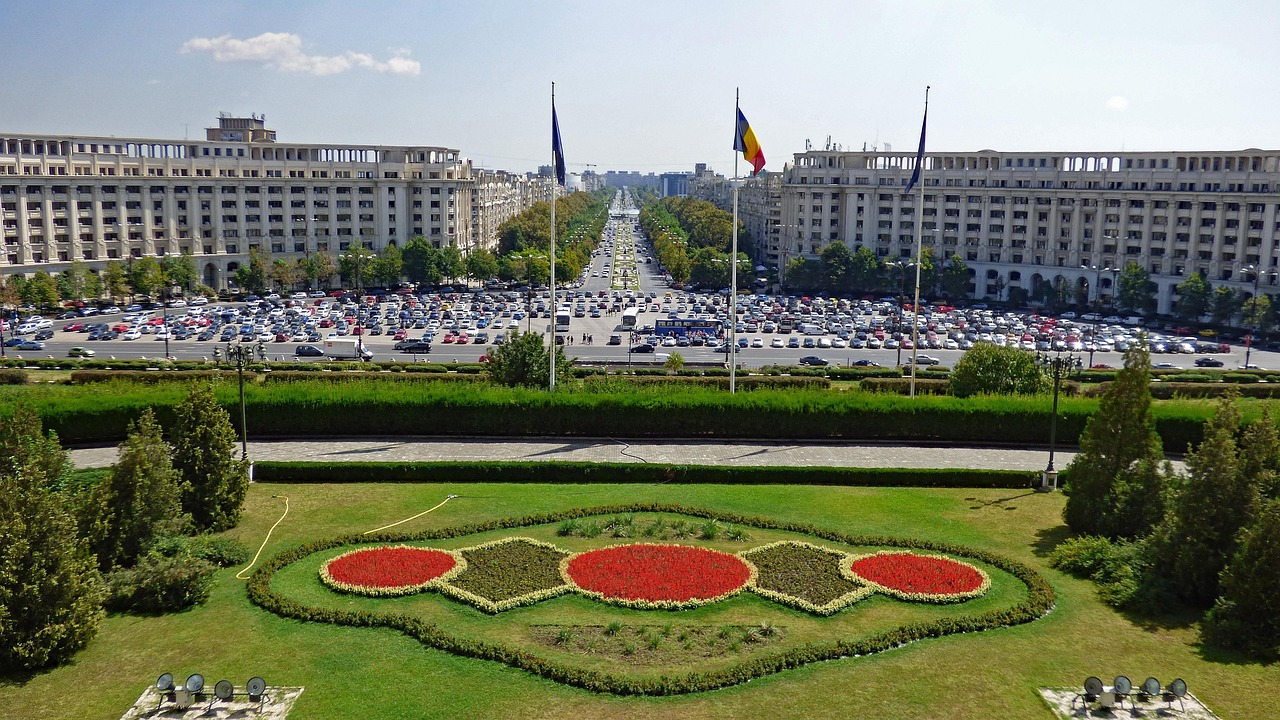
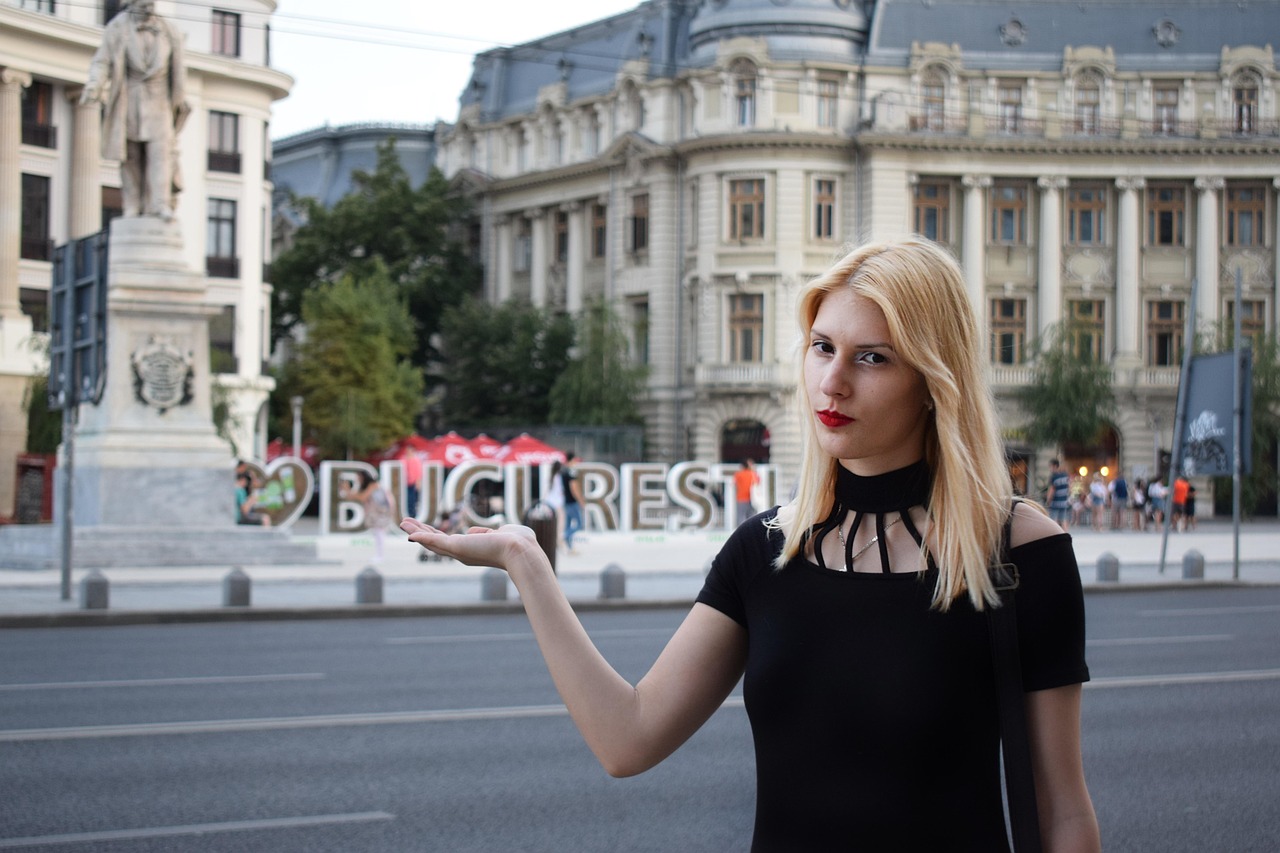
Bucharest is layered and contradictory — once nicknamed "Little Paris" for its boulevards and merchant houses, later flattened in large parts by Ceaușescu to make way for the Palace of Parliament. What survives sits in fragments: art-nouveau arcades on Strada Lipscani, the 18th-century Stavropoleos Church next to a chain restaurant, brutalist plinths next to fashion-week venues. The food and natural-wine scene of the 2020s is the most exciting in the country. Most international flights land here (OTP) — almost every guest passes through.

Why come here

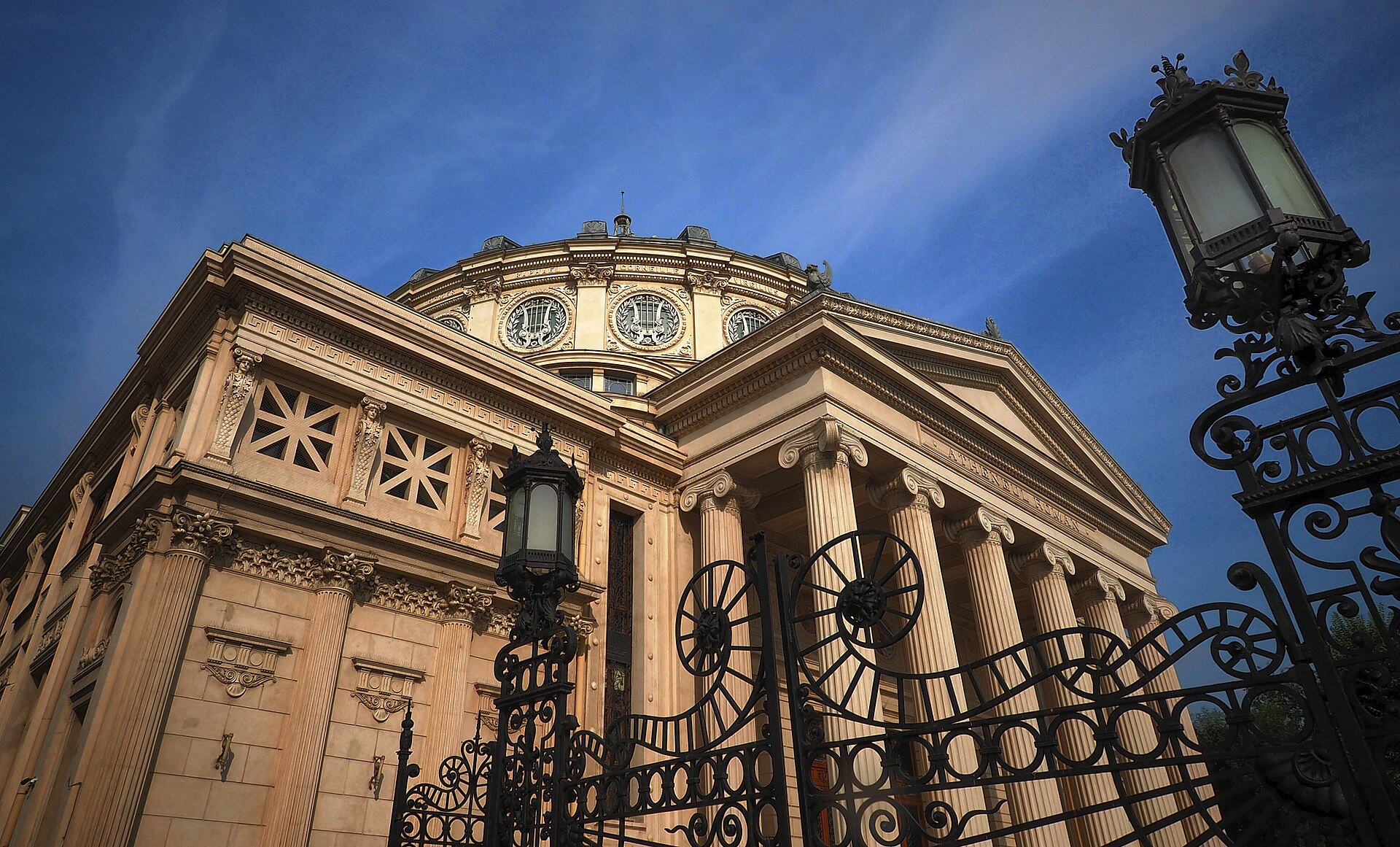
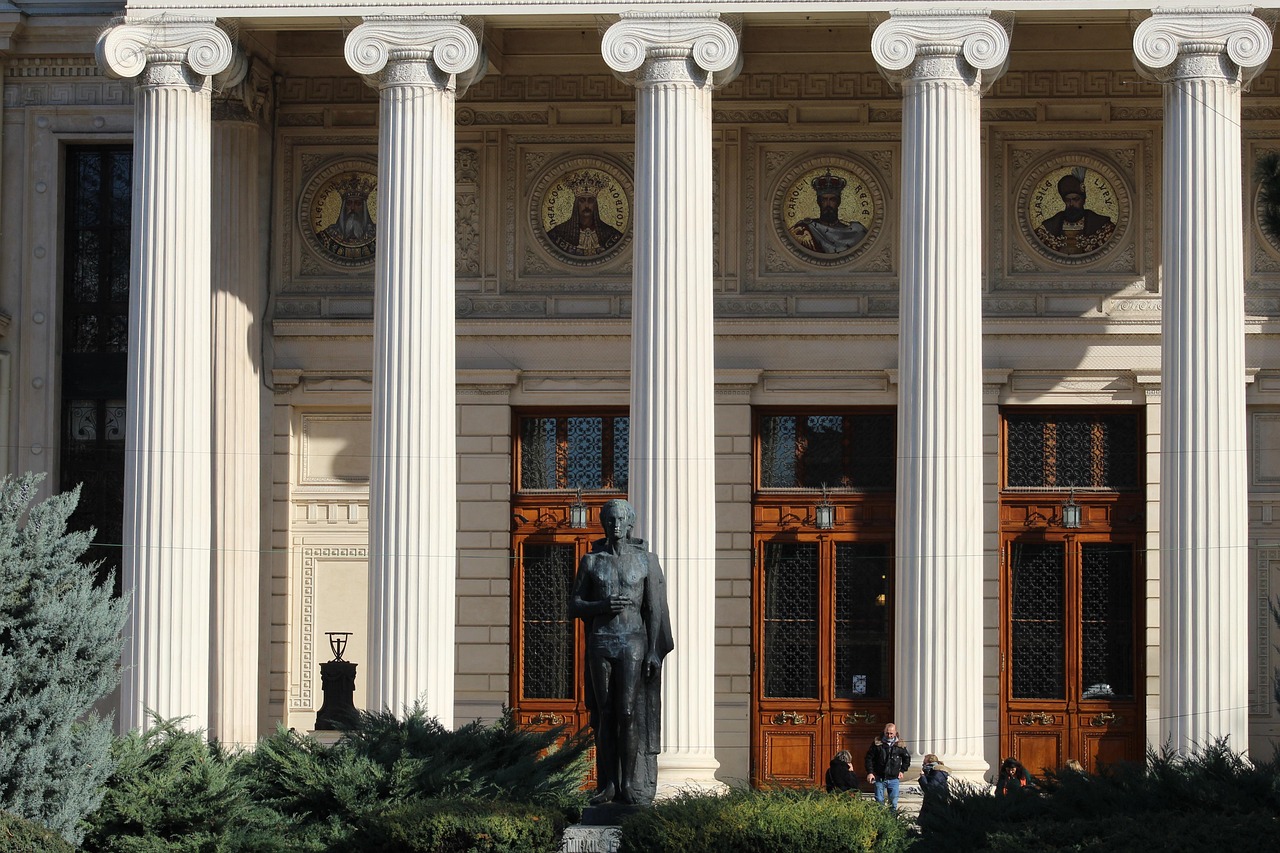
For one or two nights at the start or end of any trip to Romania. The contrast — between the polished Belle-Époque north (Calea Victoriei, the Athenaeum) and the chaotic, alive old town — is the country in miniature. Plus the best dinner of the trip will probably be here: try Kaiamo, Vatra, or a natural-wine night at Origo or M60.

Things to do

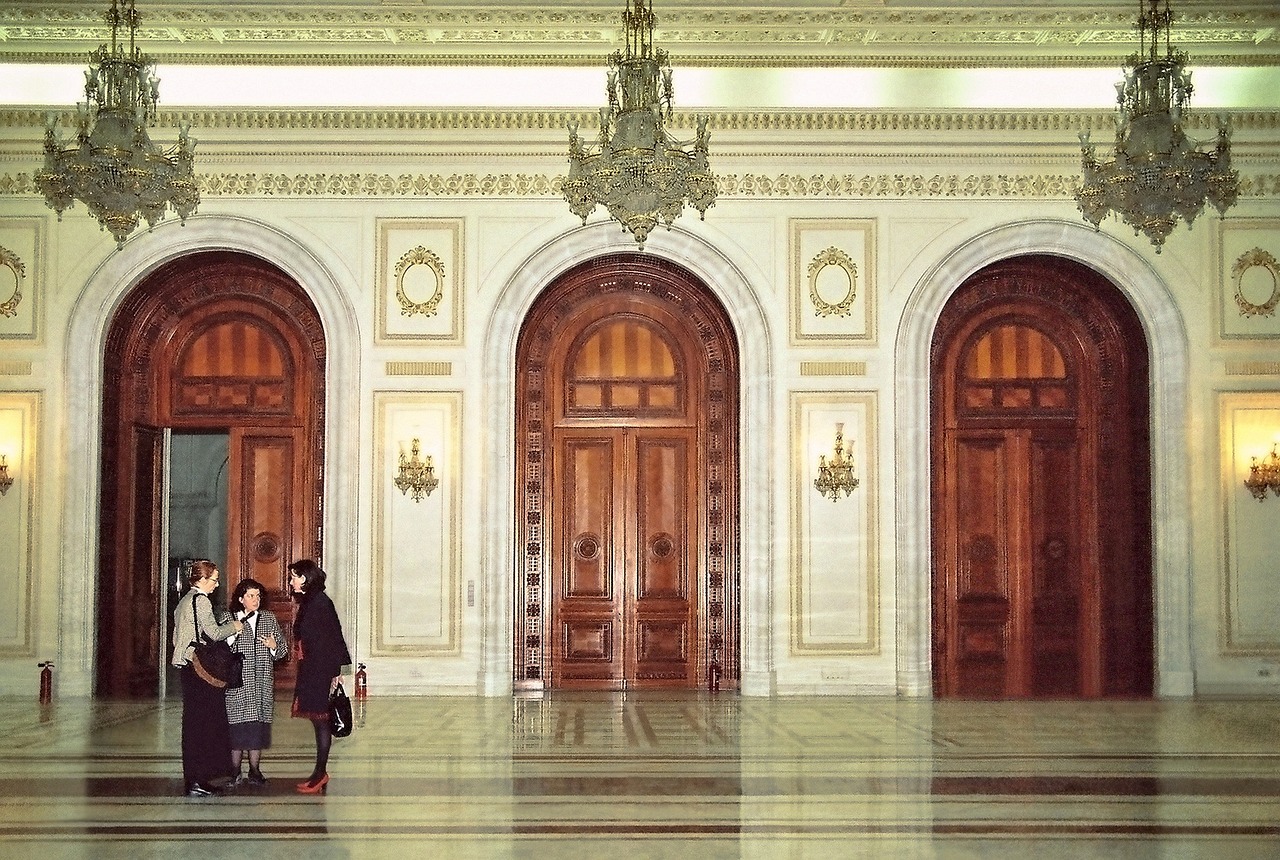
  • Tour the Palace of Parliament — book a day ahead with passport, the second-largest building on earth.
  • Walk Calea Victoriei from the Athenaeum to the Royal Palace and Revolution Square.
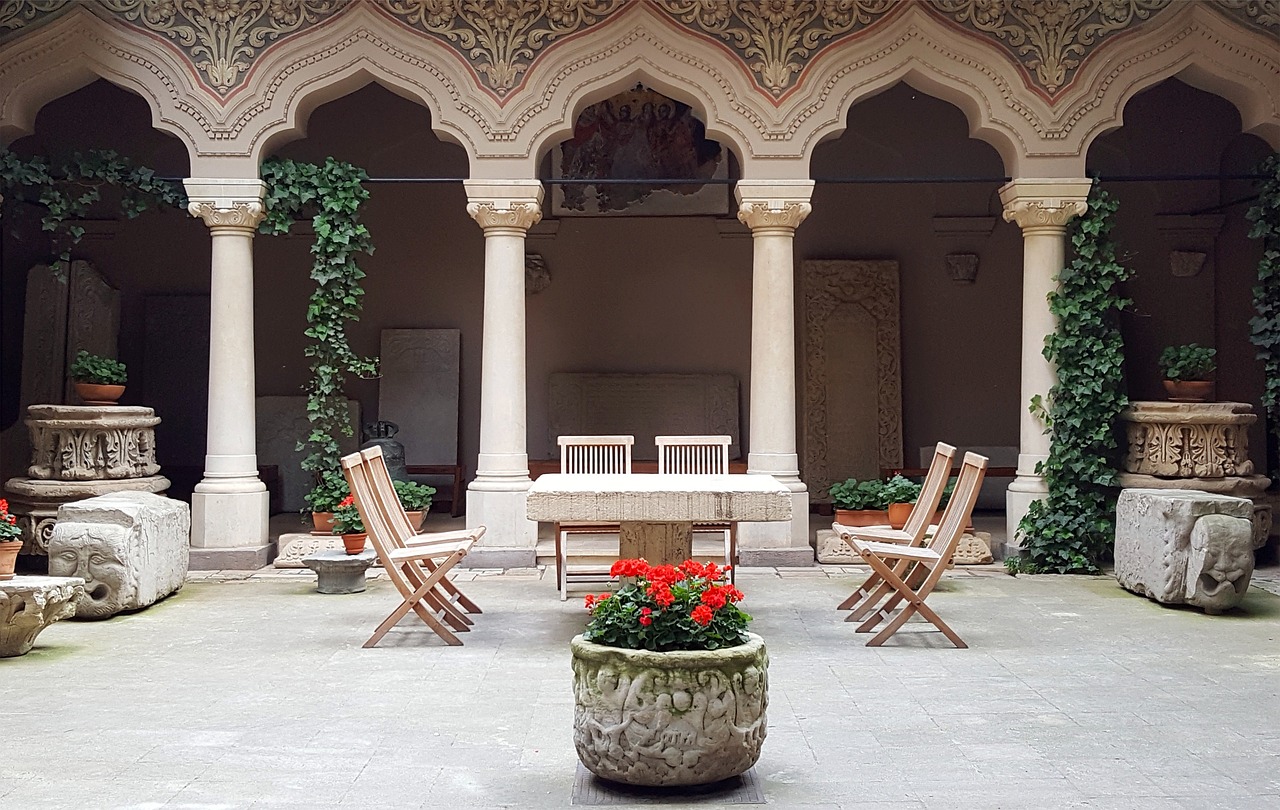
  • Find the Stavropoleos Church in the old town — small, perfect, Brâncovenesc style.
  • Beer at Caru' cu Bere — the most beautiful beer hall in eastern Europe, 1879.
  • Specialty coffee crawl: M60 (Bucharest's flagship), Origo, Beans & Dots, Frudisiac.
  • See the Village Museum — open-air on Herăstrău Lake, 60+ authentic Romanian houses moved here.
  • Eat at Kaiamo (modern Romanian, tasting menu), Vatra (warm, traditional), or Lacrimi și Sfinți (small plates, natural wine).

When to come

May for the spring boulevards. September–October for café-terrace weather. December for the Christmas market in Piața Constituției. July–August can be 35°C+, manageable but plan around shaded courtyards.