Hidden Romania — curated stays, villages and roadtrips beyond the obvious
Discover the Romania most travellers never reach — quiet villages, mountain roads, restored houses and landscapes that still feel untouched.
Romania is not one destination. It is a collection of hidden worlds.
Hidden Romania begins where the highways end. It is not the Romania of rushed castle tours, souvenir stalls and one-night city stops. It is the Romania of unpaved village lanes, wooden gates, fortified churches, hay meadows, mountain breakfasts, family-run guesthouses and restored homes where every wall has a story.
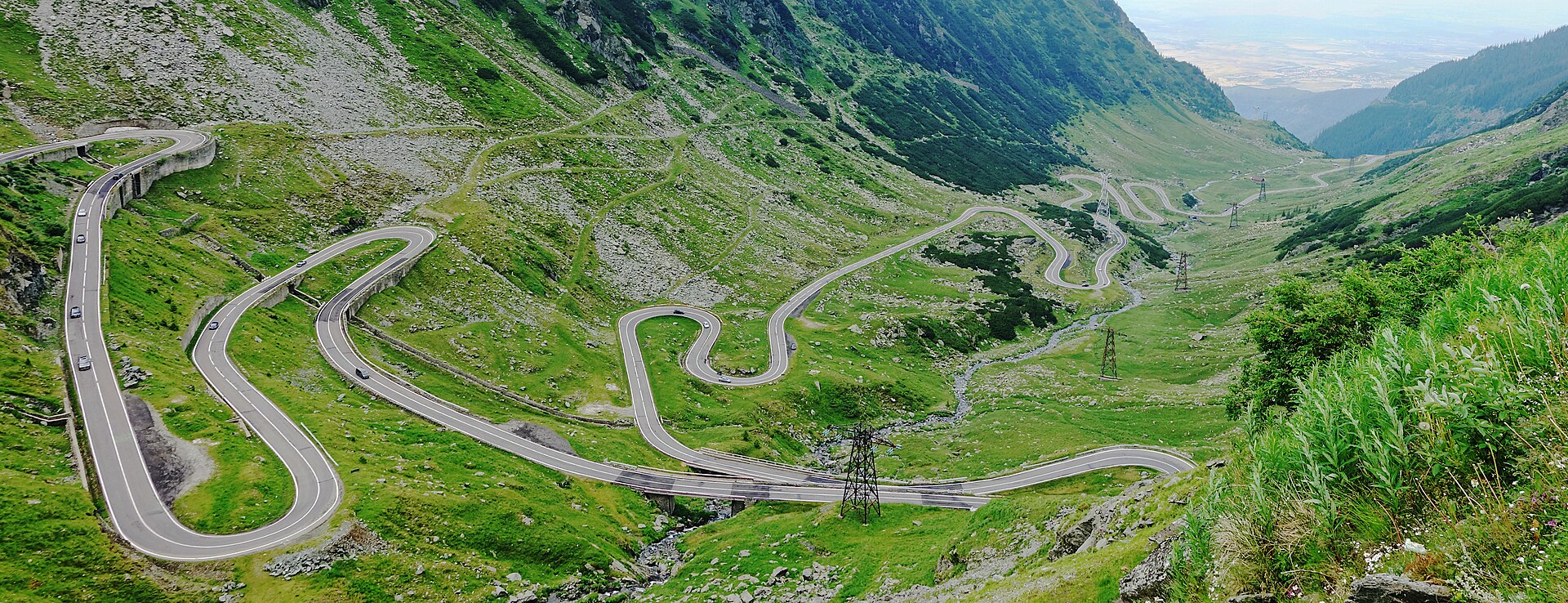
This is a country that still rewards curiosity. Drive one hour beyond the famous places and the landscape changes completely: Saxon villages in soft hills, shepherd trails in the Apuseni Mountains, forests in the Carpathians, old market towns, vineyards, mineral springs and family kitchens where recipes are still passed on quietly.
Hidden Romania is for travellers who want more than sightseeing. It is for people who want to arrive slowly, stay longer, and understand a place through its houses, hosts, food and silence.
Why Romania is underestimated
For thirty years the country was filtered through a single image: the Carpathians, Dracula, Ceaușescu. The tourism industry adapted to that filter. Bran Castle bus tours. Bucharest old town pub crawls. A handful of overworked guidebook landmarks.
But the country a careful traveller actually wants — the cultural landscape, the food, the hosts, the rhythm — sits one hour off every guidebook page. It was never marketed, because the people who live there were never trying to sell it.
Seven kinds of hidden Romania
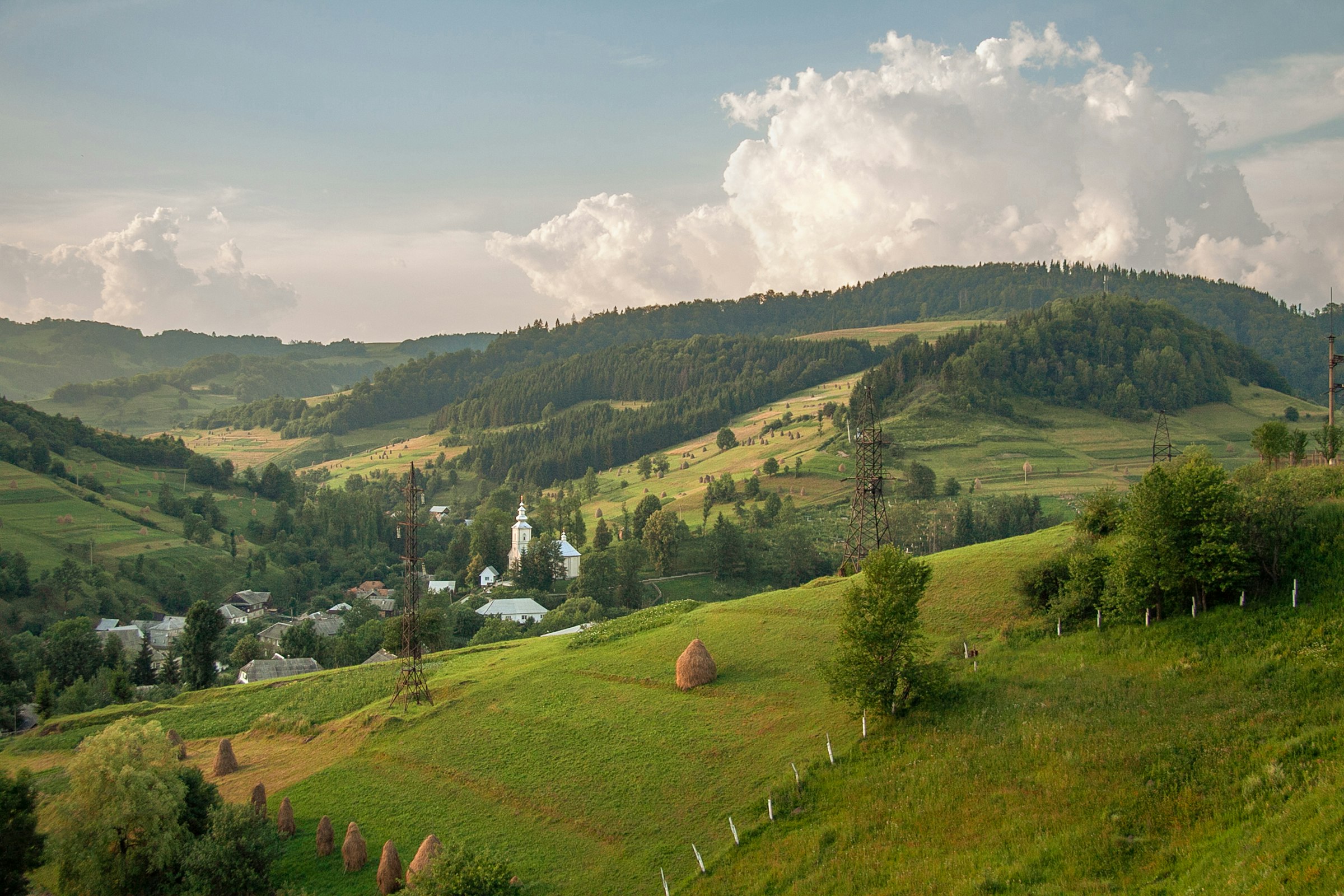
Saxon villages. The seven UNESCO-listed Saxon villages — Viscri, Biertan, Câlnic, Dârjiu, Prejmer, Saschiz, Valea Viilor — and the smaller, unlisted ones around them. Lime-plastered farmhouses, fortified churches, hay meadows.
Apuseni mountain hamlets. Scattered crângurile high above the limestone karst. Shepherd huts, ice caves, gravel roads, copper Țuică stills.
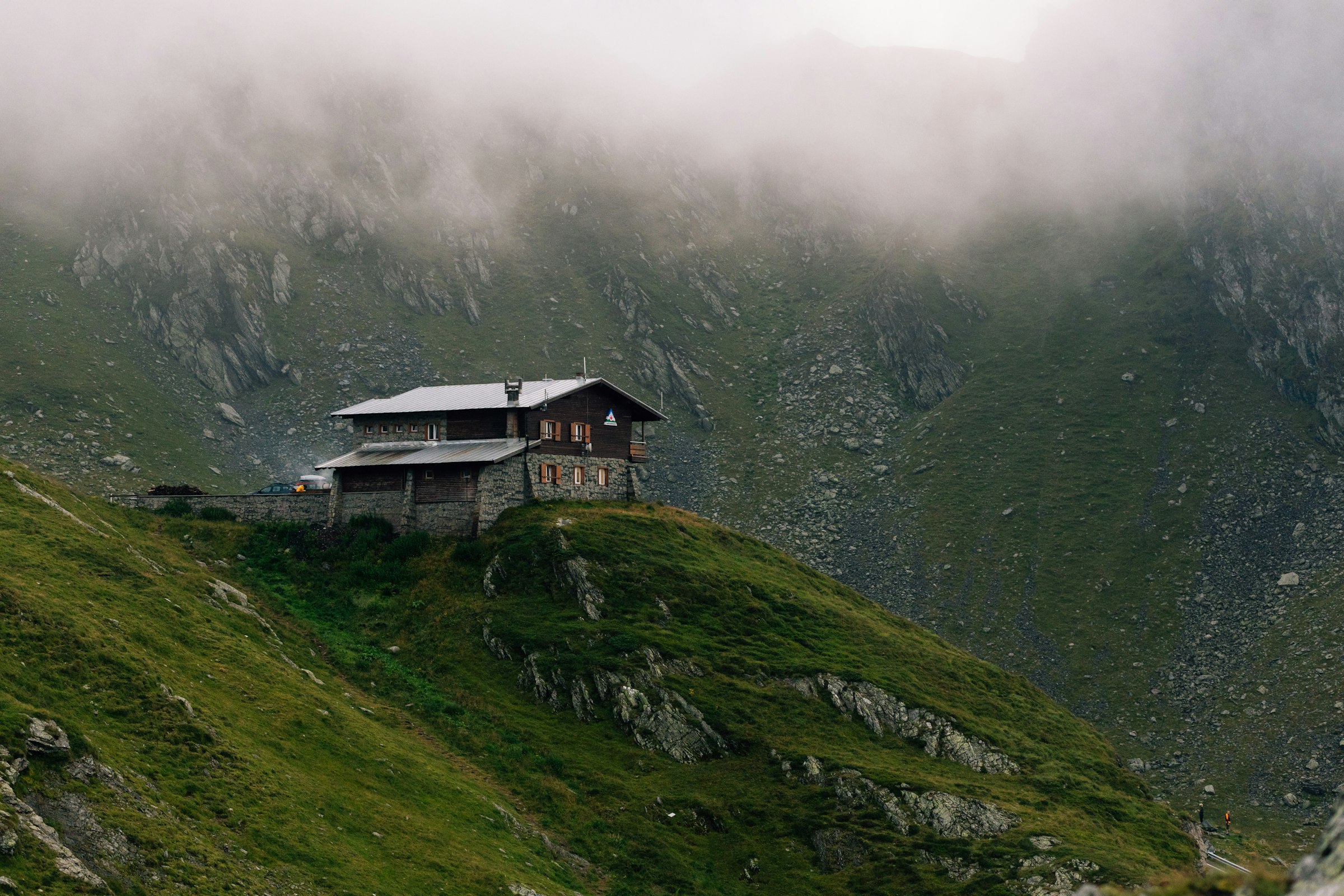
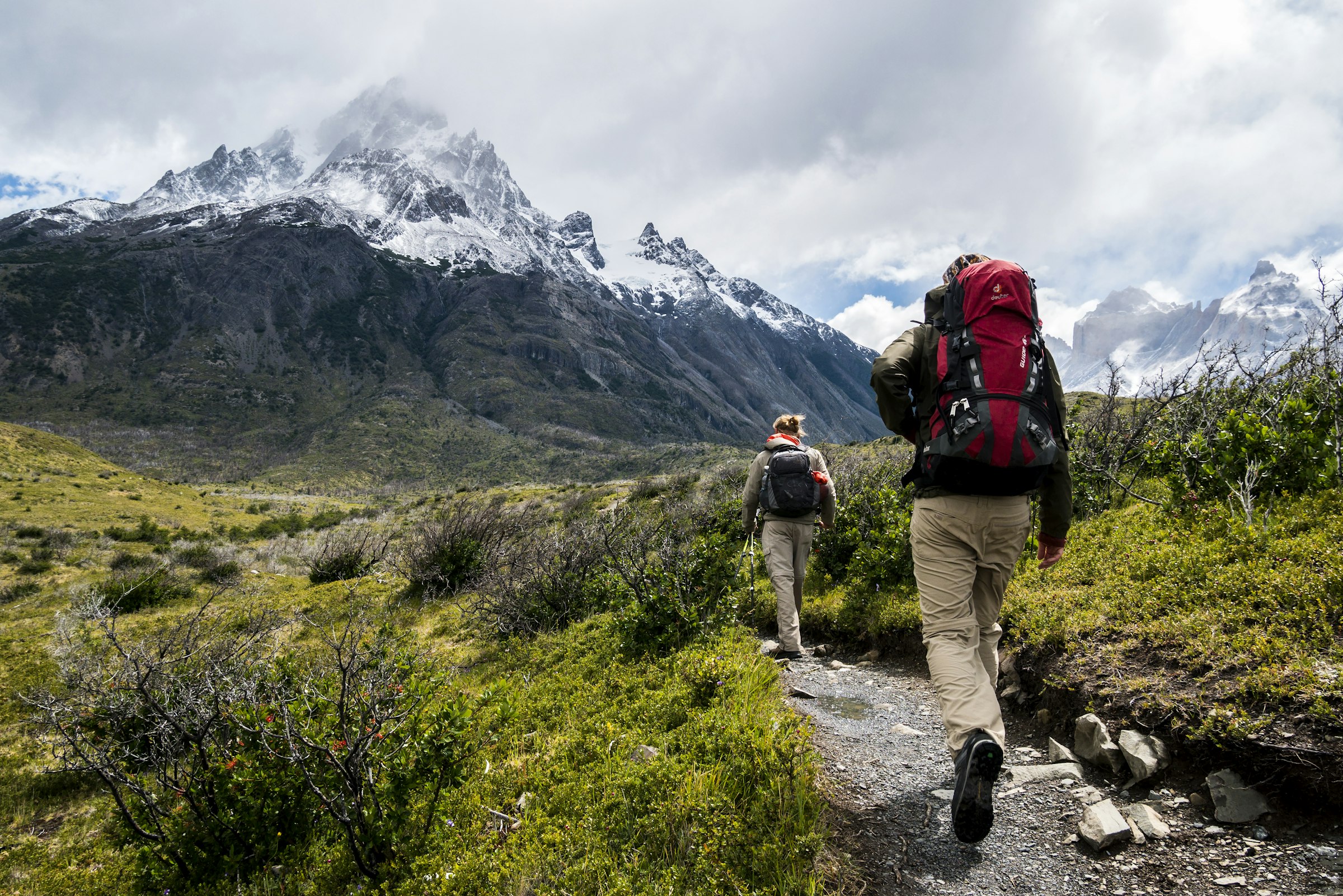
Forest retreats. The Făgăraș and Piatra Craiului — beech and spruce, brown bears, the Foundation Conservation Carpathia rewilding project.
Old spa towns. Băile Tușnad, Sovata, Băile Olănești — mineral springs the Habsburgs built infrastructure around, now half-forgotten, half-remembered.
Remote monasteries. Bukovina's painted churches, the wooden churches of Maramureș, the small forest monasteries of southern Transylvania.
Wine regions. Recaș, Crișana, Cotnari, Mărginimea — small family cellars where the bottles are poured by the people who grew the grapes.
Slow-food villages. The Mărginimea Sibiului shepherding region, the orchard villages of Mălâncrav, the Banat-Schwaben pockets where Friday is still a baking day.
What we suggest
A first hidden-Romania trip might thread three of these: two nights in a Saxon village, two in a mountain cabin, two in a wine-country guesthouse with a chef. Five to seven days, ~280 km of driving, one or two slow detours per day.