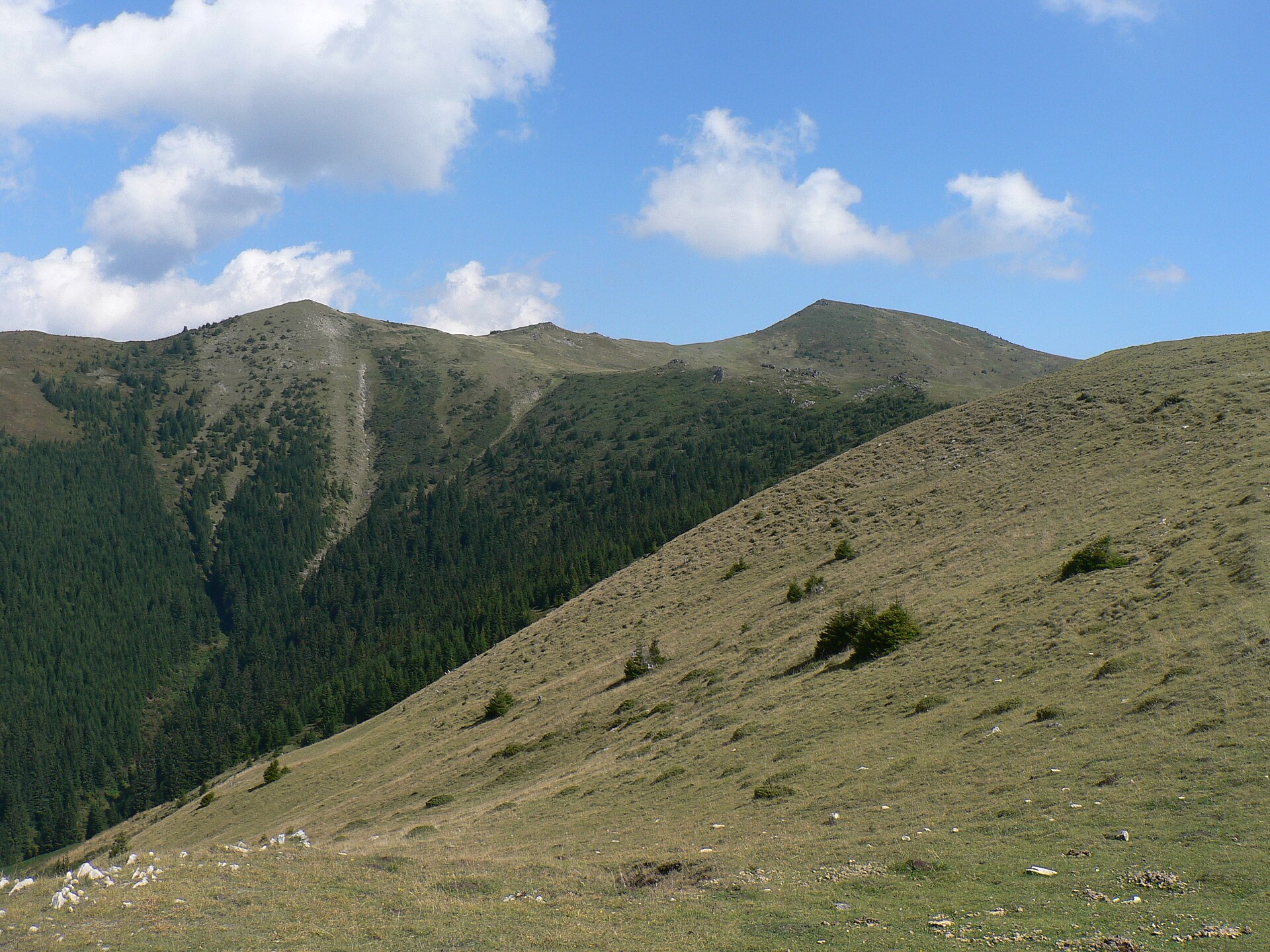
Half of Europe’s wild bears live here. That is the short version.
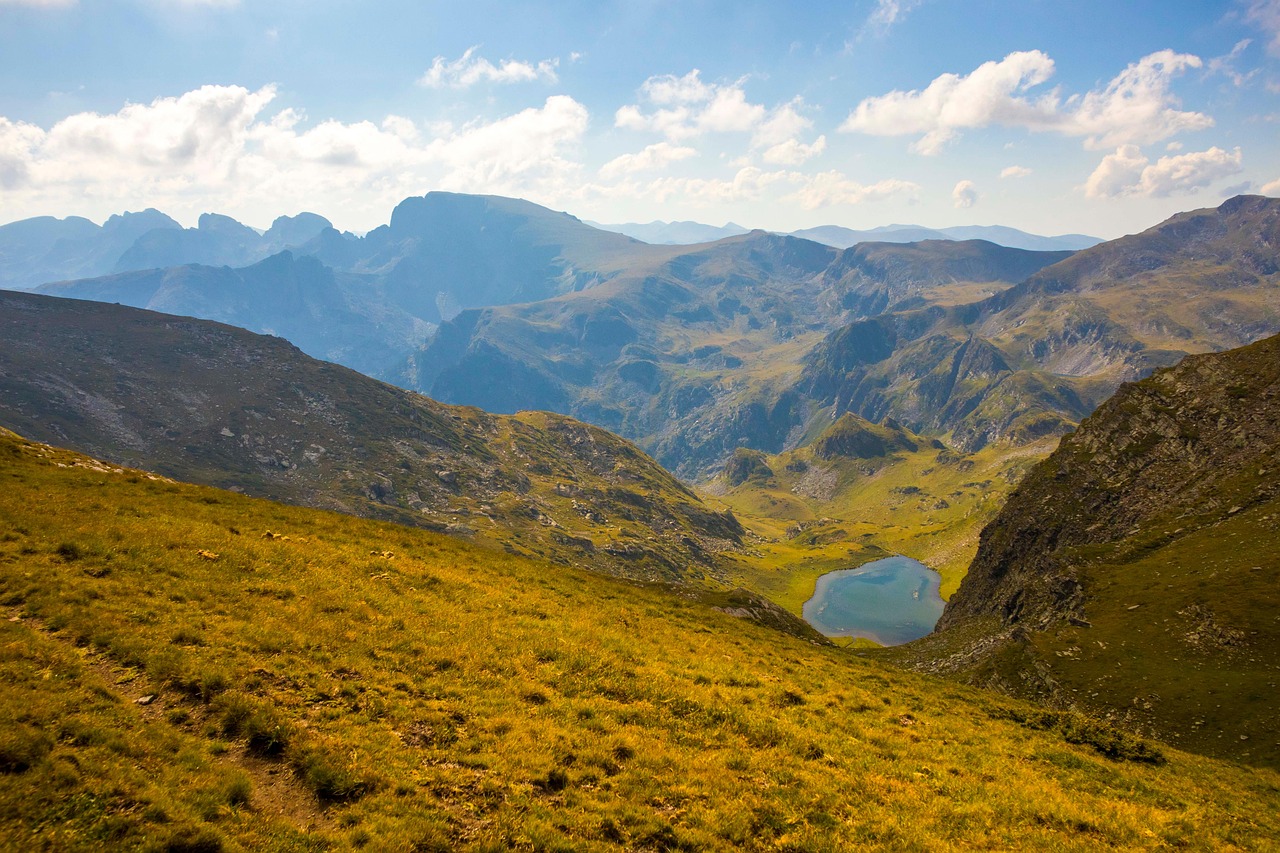
The Carpathians are the largest stretch of near-wilderness left in Europe — ridgelines you can walk for days, karst plateaus, volcanic lakes and forests that still belong to bears, wolves and lynx. This is the reason most of our guests come; here is how to do it properly.
Hiking & ridgelines
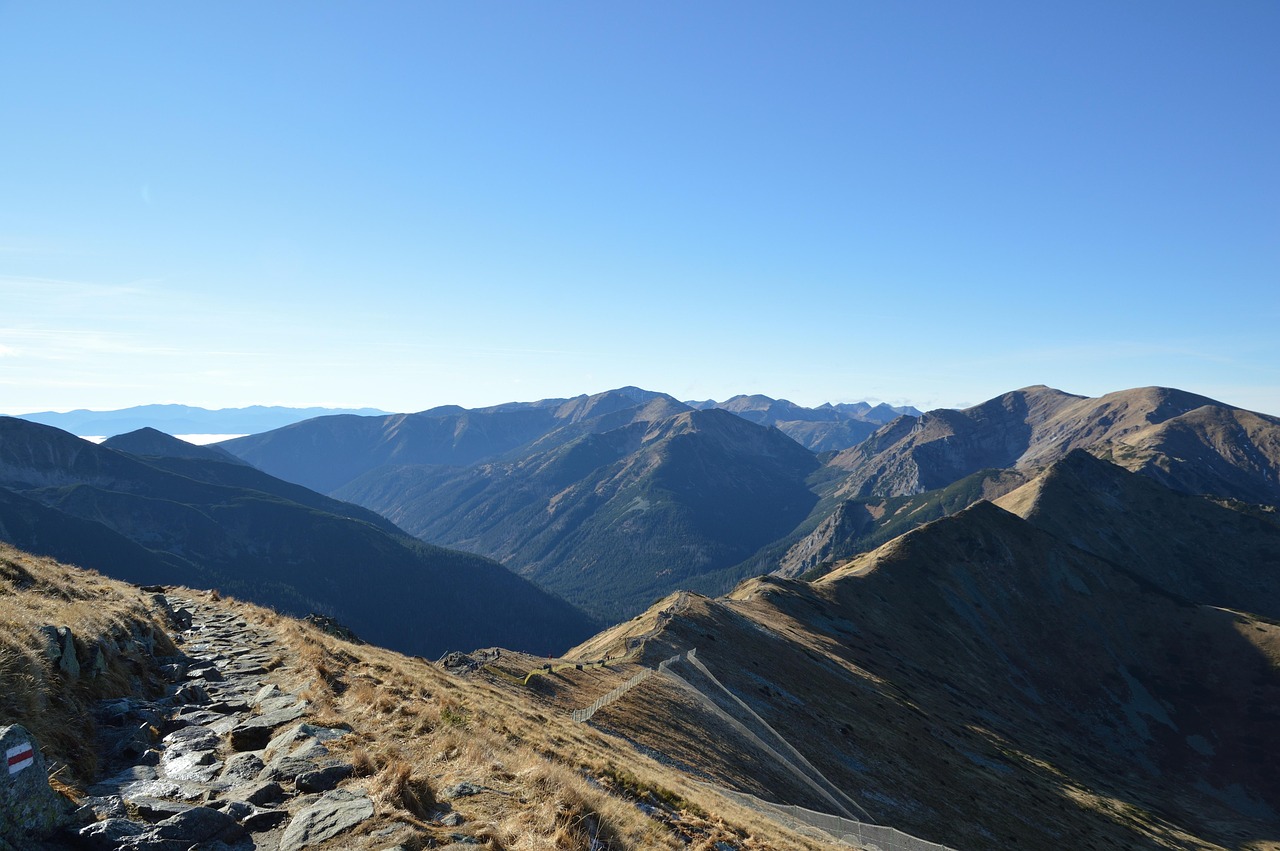
From gentle shepherd paths above Sibiu to the knife-edge of Piatra Craiului and the 2,500-metre Făgăraș traverse. We match the trail to your legs and put a warm house at the end of it.
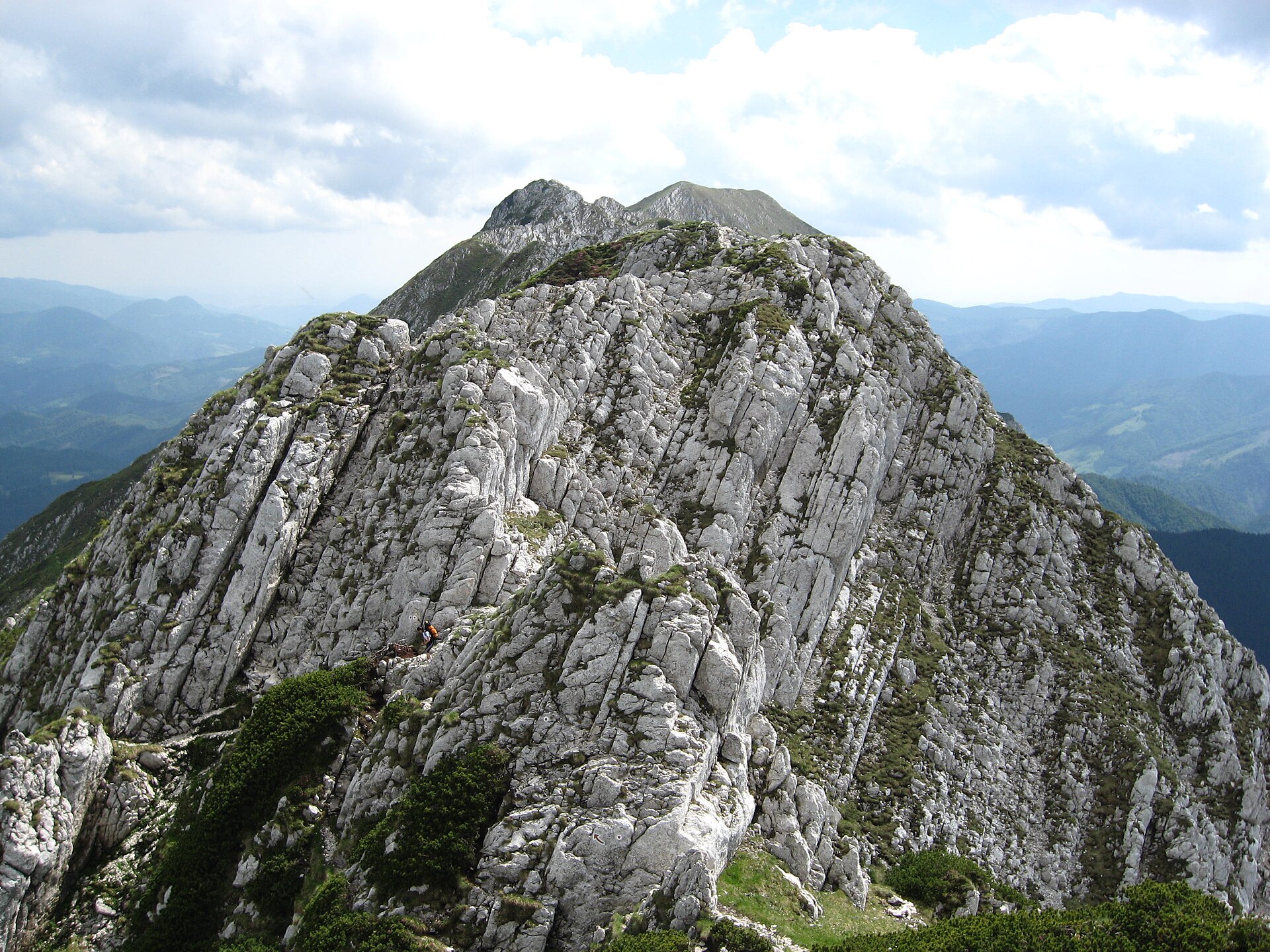
Piatra Craiului Ridge
A 25-kilometre limestone arête south of Brașov — one of the great ridge walks of Europe.
Făgăraș Mountains
The highest range in Romania — Moldoveanu (2,544m), bears, the European Wilderness initiative.
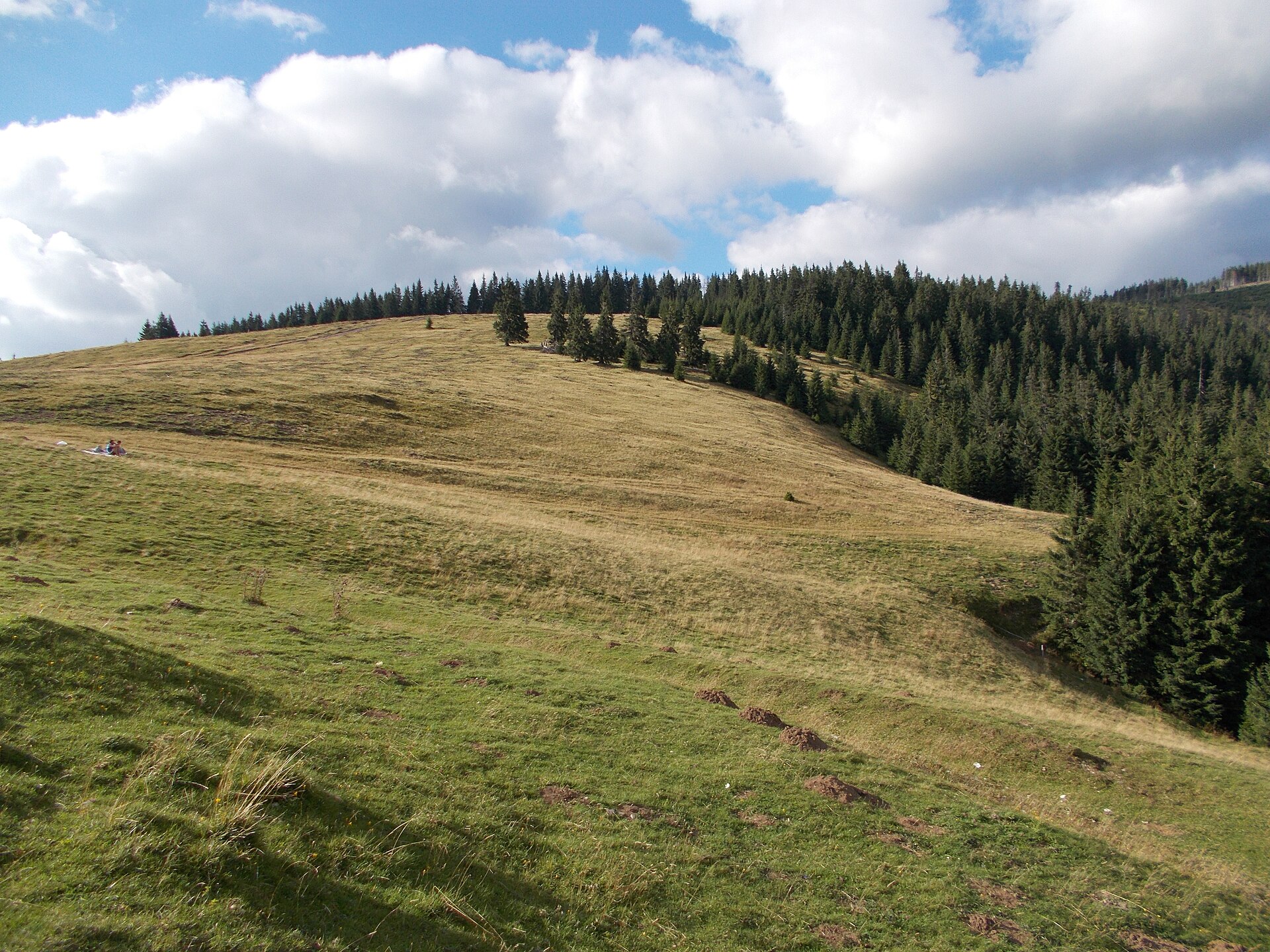
Padiș Plateau
A high karst plateau in the heart of the Apuseni — sinkholes, springs, scattered shepherd huts.
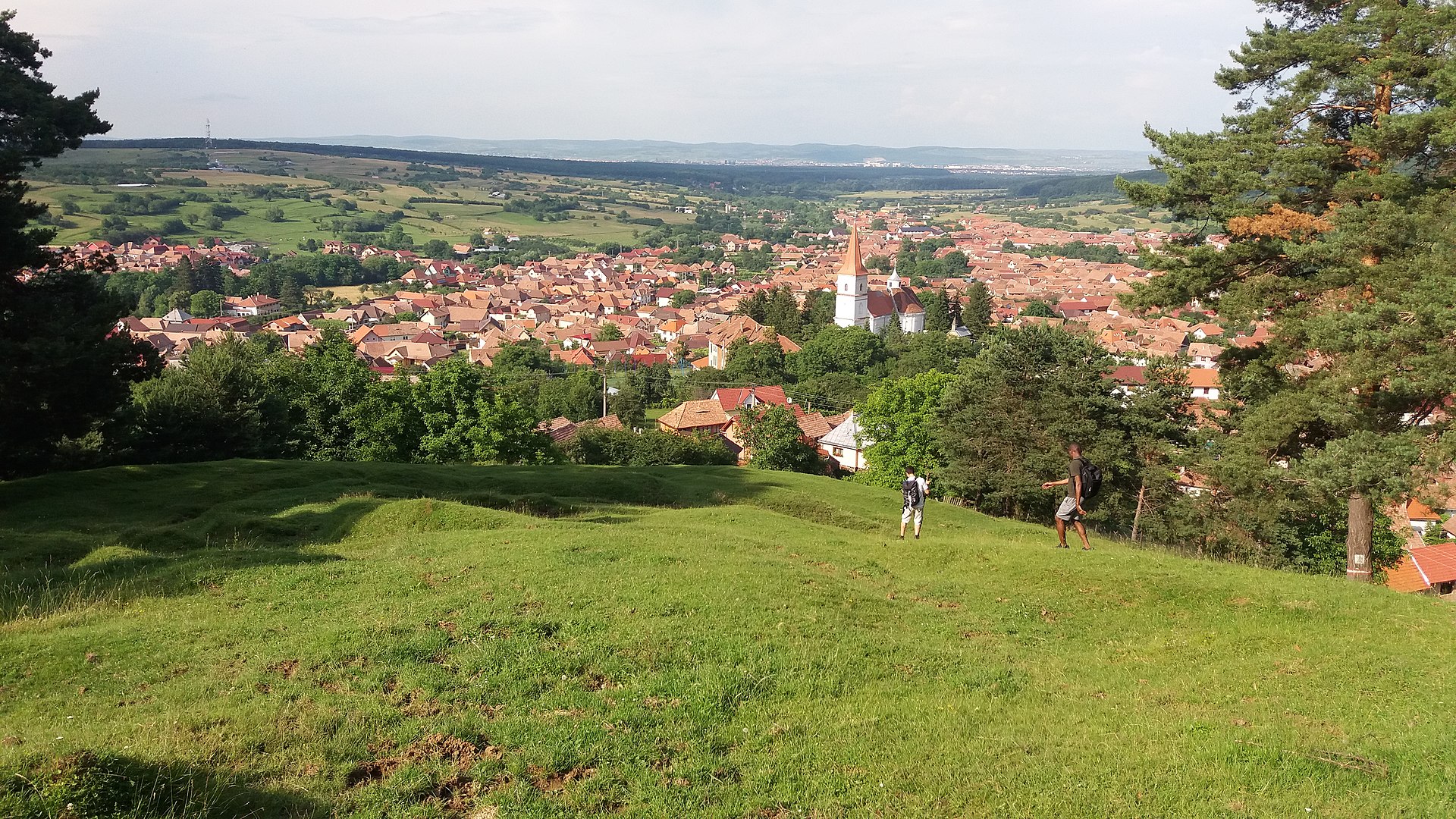
Mărginimea Sibiului
The shepherding villages west of Sibiu — UNESCO is considering them as intangible heritage.
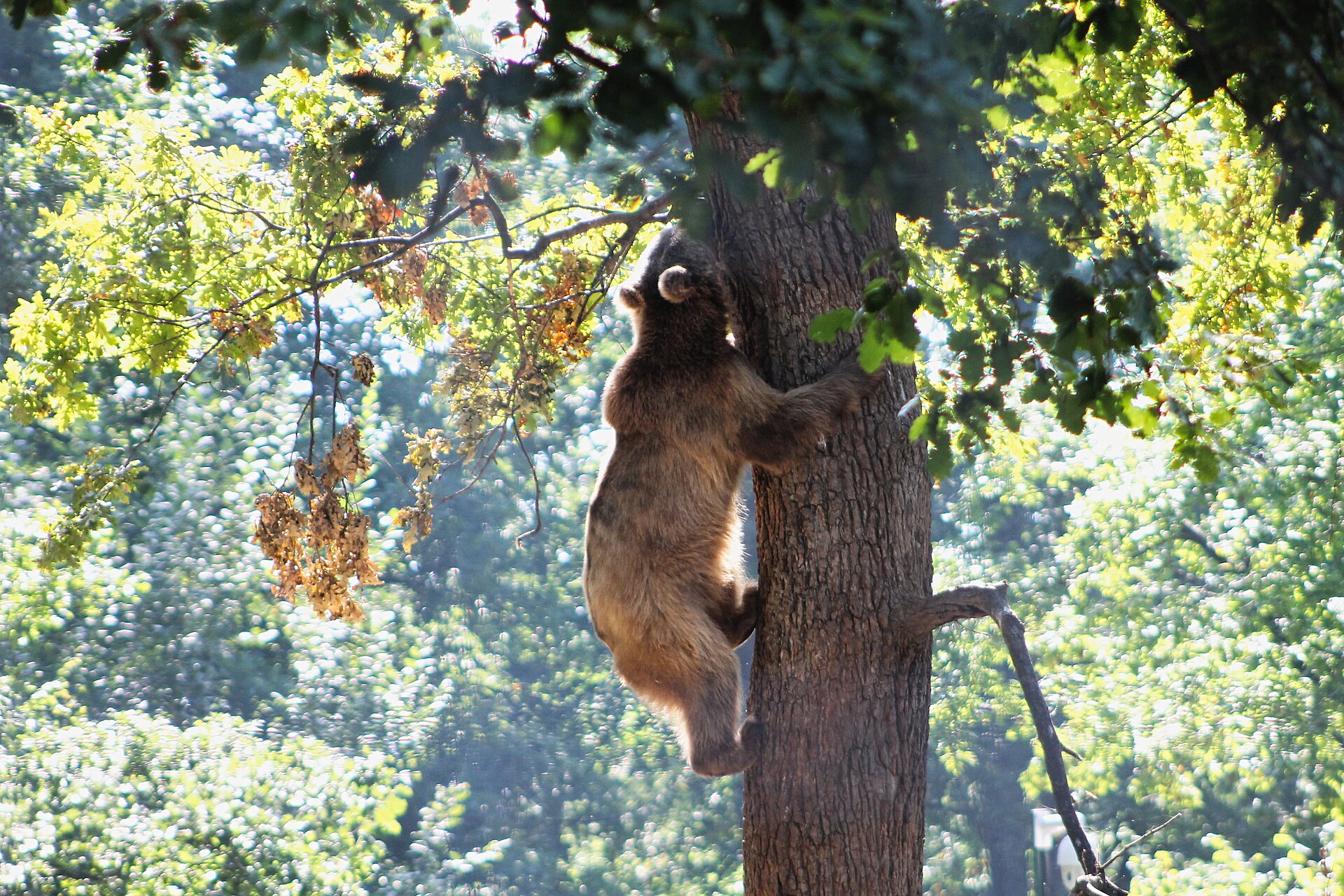
Bear watching
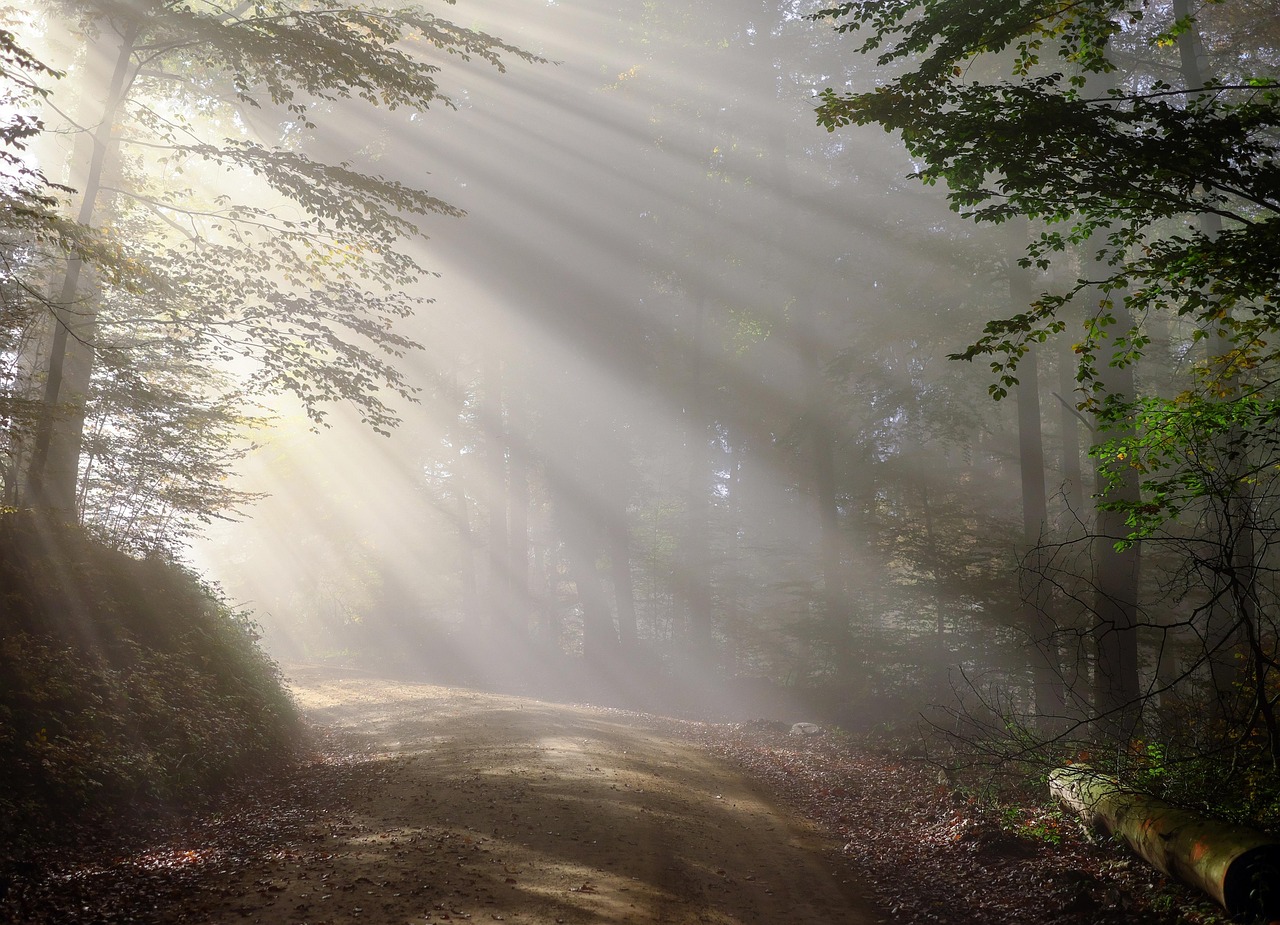
Around 8,000 brown bears live in these forests. See them the right way — from licensed hides at dusk with a ranger, or at the Libearty sanctuary in Zărnești, Europe’s largest.
Volcanoes, caves & waters
A volcanic crater lake, an underground glacier, basalt organ pipes, the Danube Delta’s bird maze and a cathedral-sized salt mine. Nature here does not do subtle.
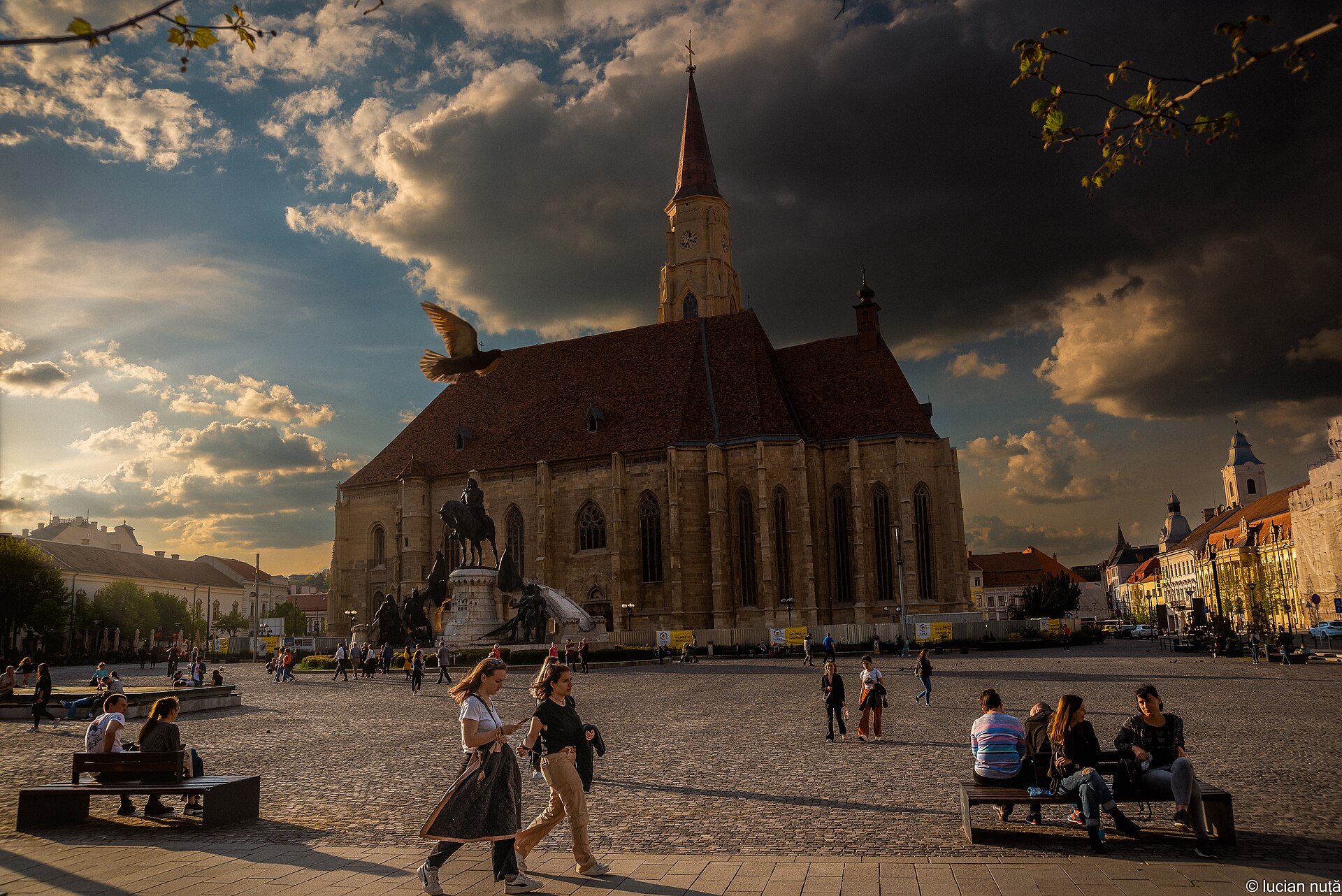
Lacul Sfânta Ana (St. Ana Crater Lake)
Romania’s only volcanic crater lake — a perfect circle of water in a forested caldera.
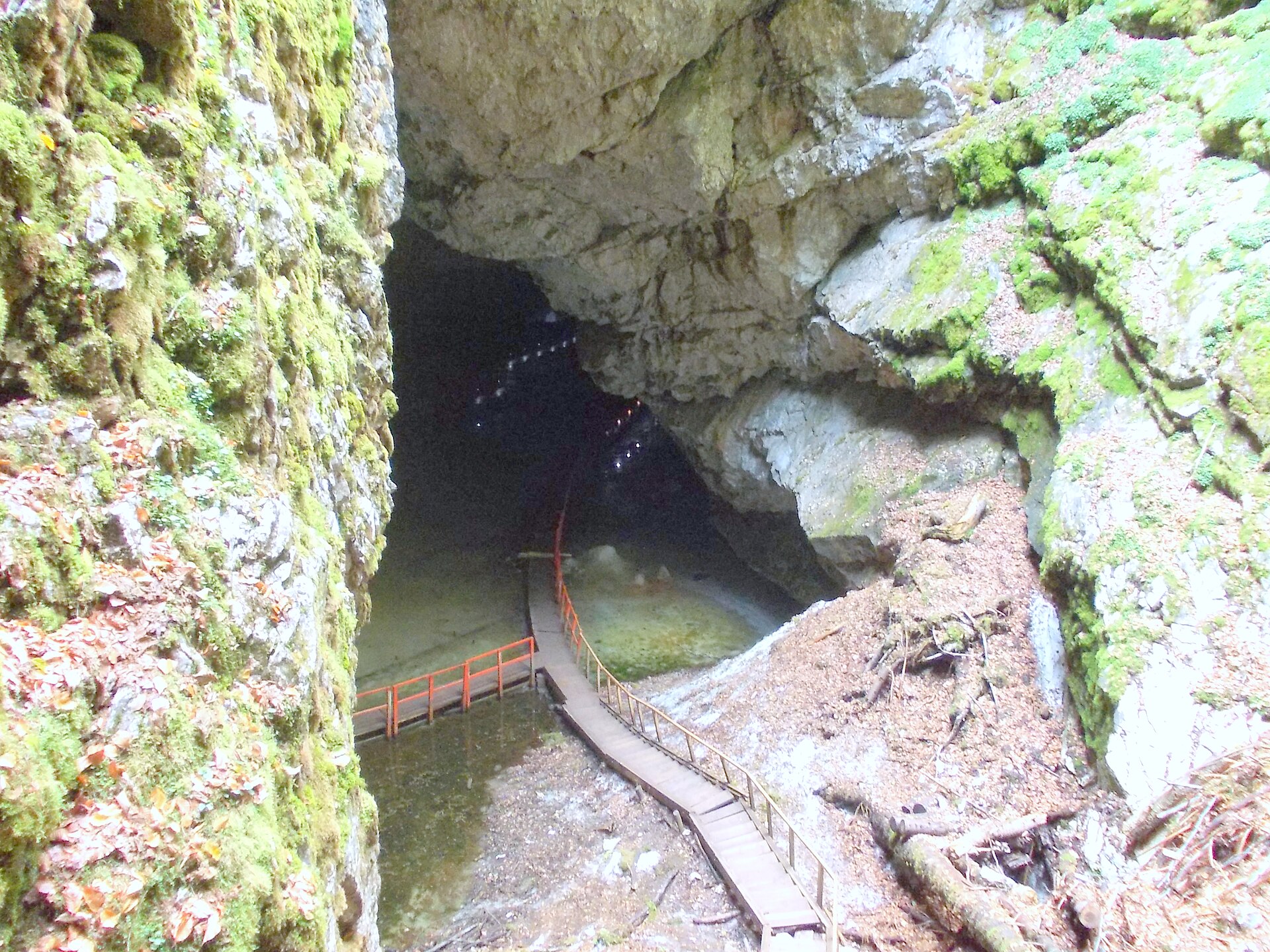
Scărișoara Ice Cave
A 75,000-cubic-metre glacier inside a limestone shaft — Europe's second-largest underground ice block.
Detunata basalt columns
A cliff of basalt organ pipes above the gold-mining villages of the Apuseni.
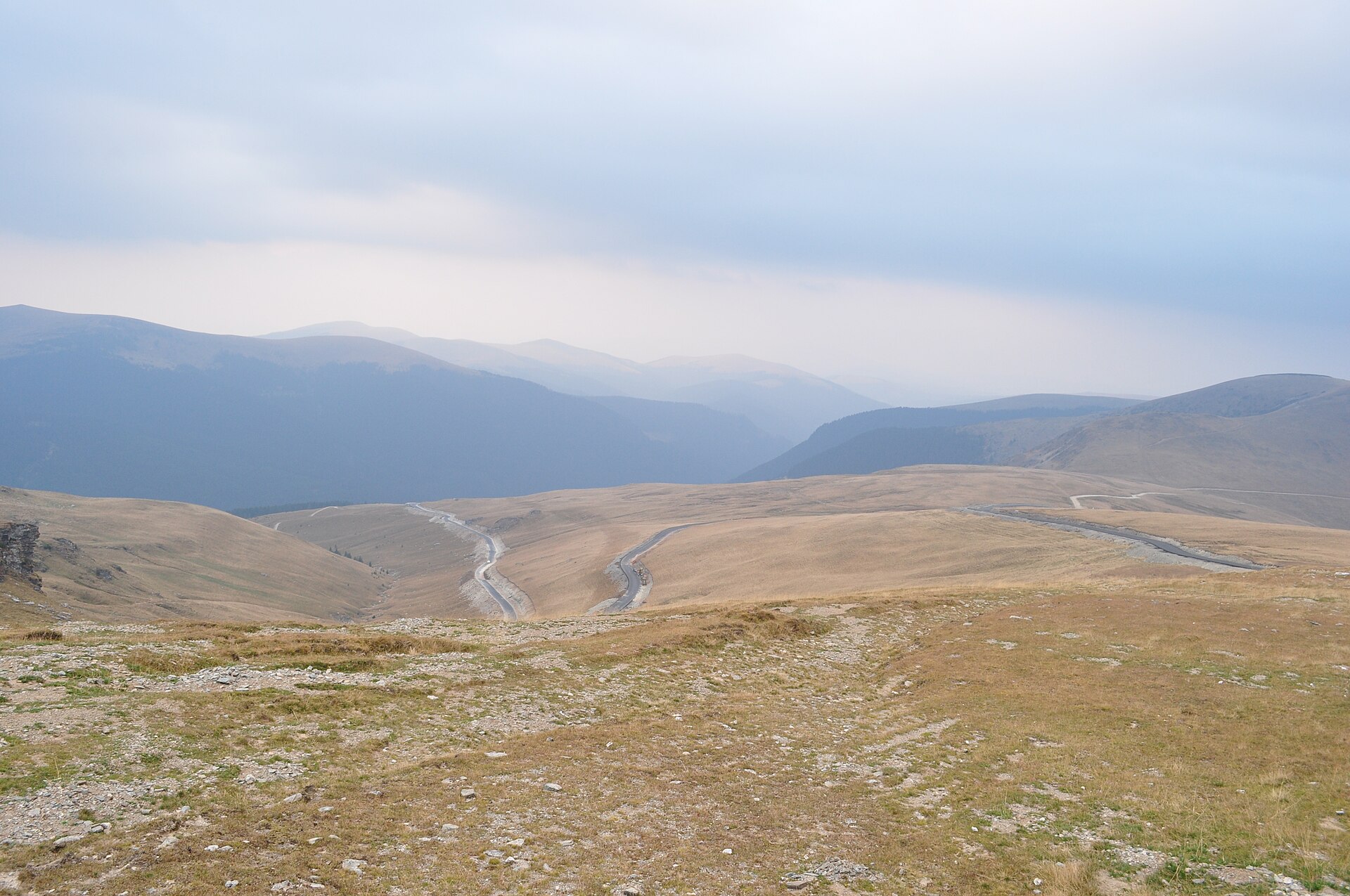
Racoș volcanic complex & Emerald Lake
A rust-red extinct crater, basalt organ pipes and an emerald quarry lake — all in one village.
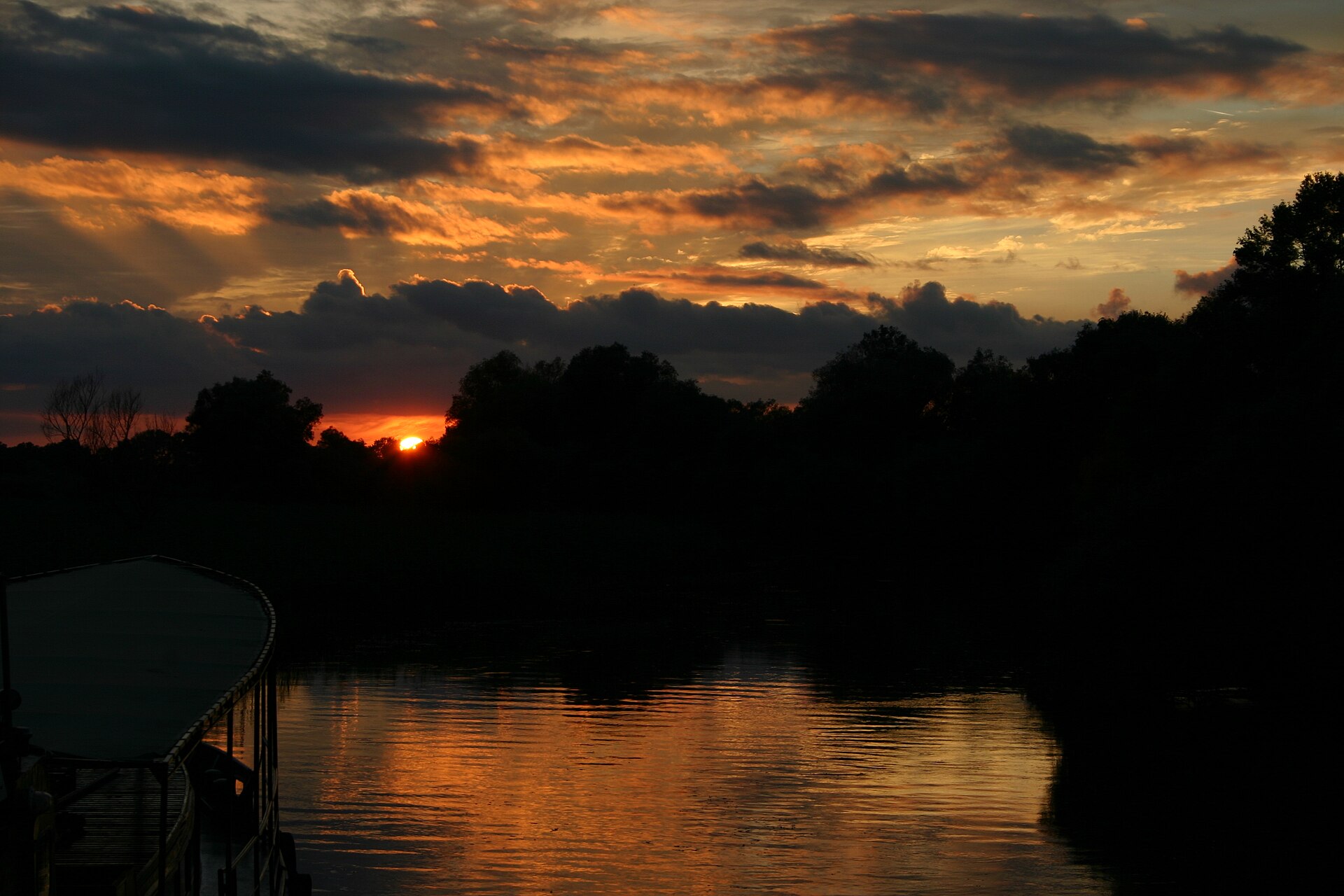
Danube Delta
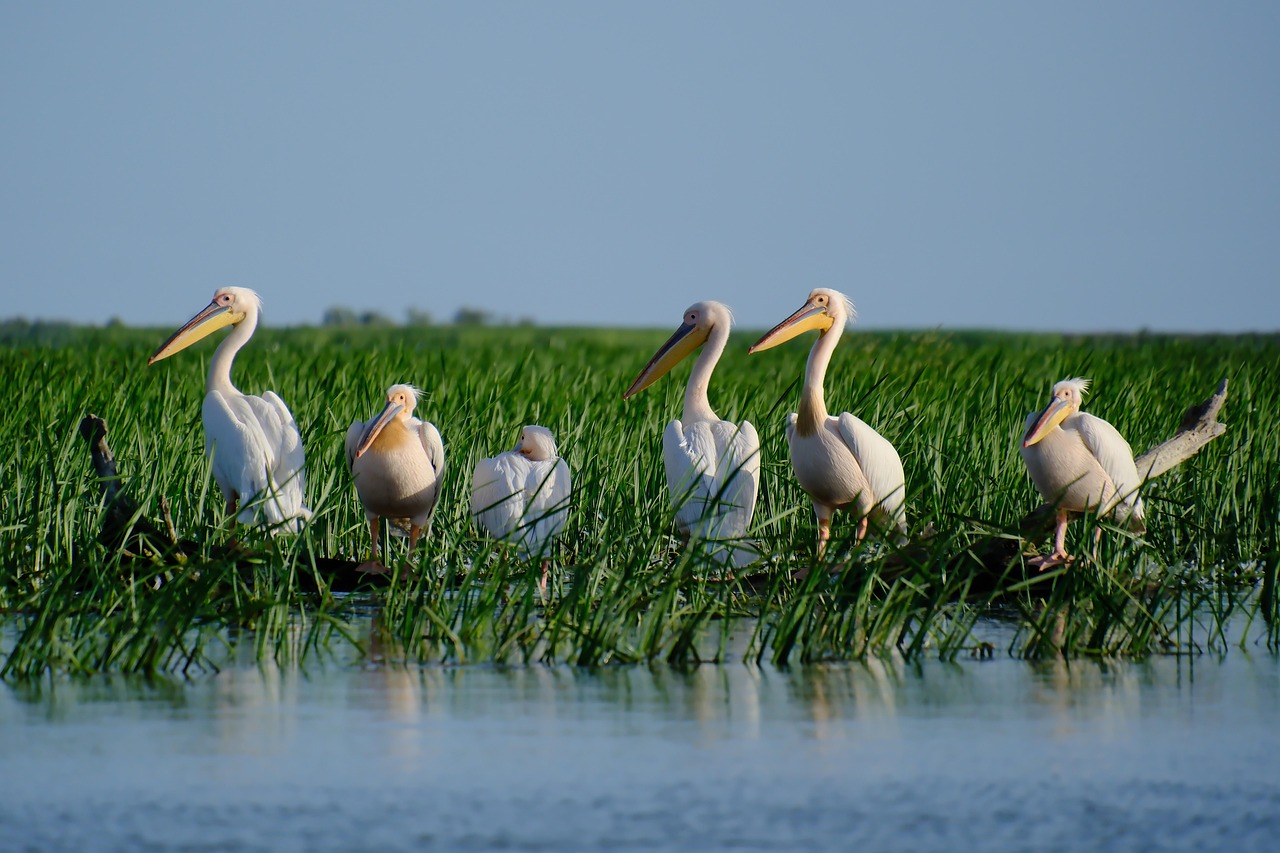
Europe’s largest wetland — 4,000 km² of channels, pelicans, fishing villages and absolute quiet.
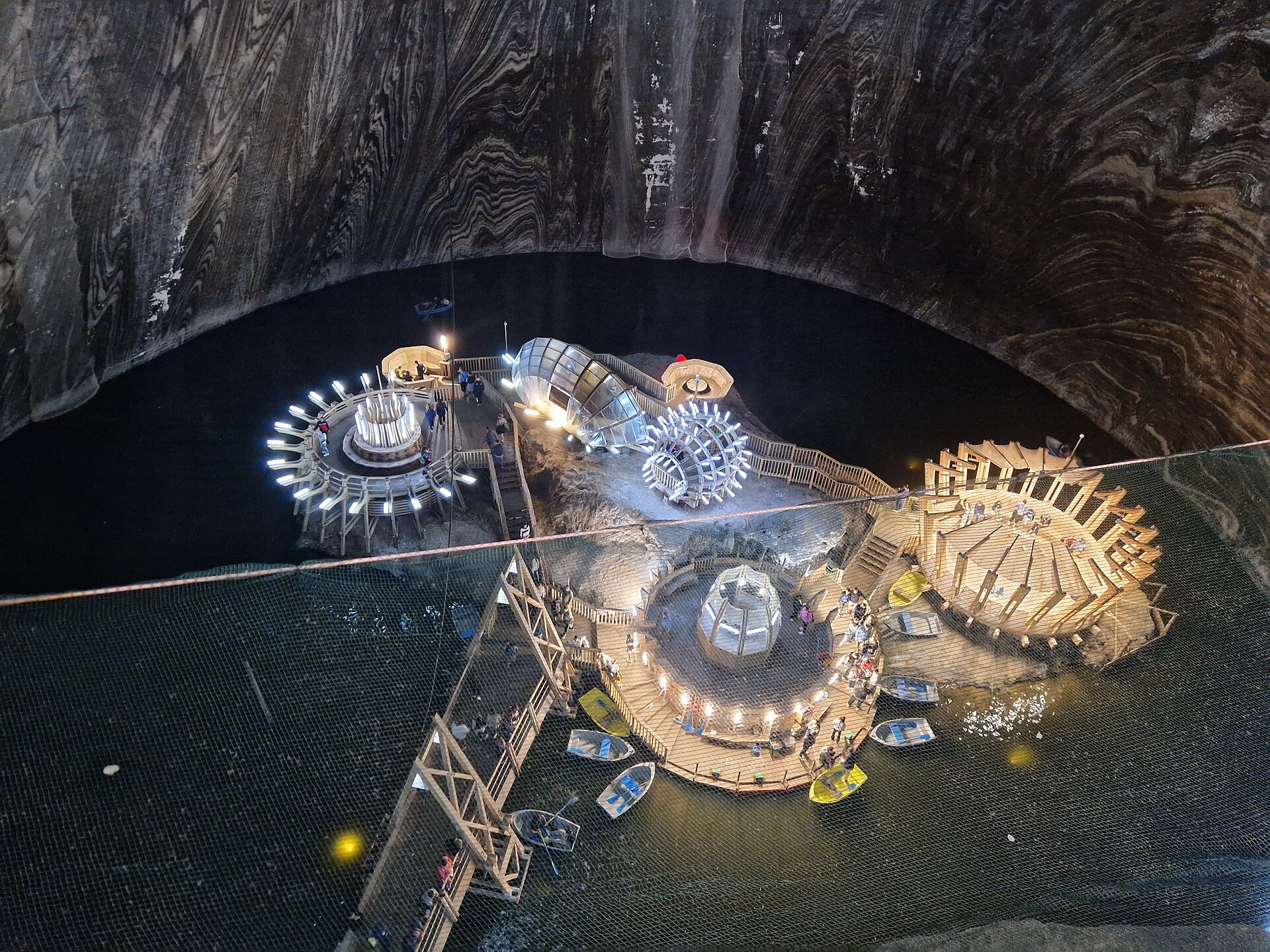
Salina Turda
A 13th-century salt mine that looks like a Bond villain's lair — boats, a Ferris wheel, underground.
When to come
May – June
Wildflower meadows, waterfalls at full power, bears out of hibernation. Trails quiet, some high ridges still snowed in.
July – September
The full high-mountain season — every trail and pass open, hides busiest at dusk. Book houses early.
October – April
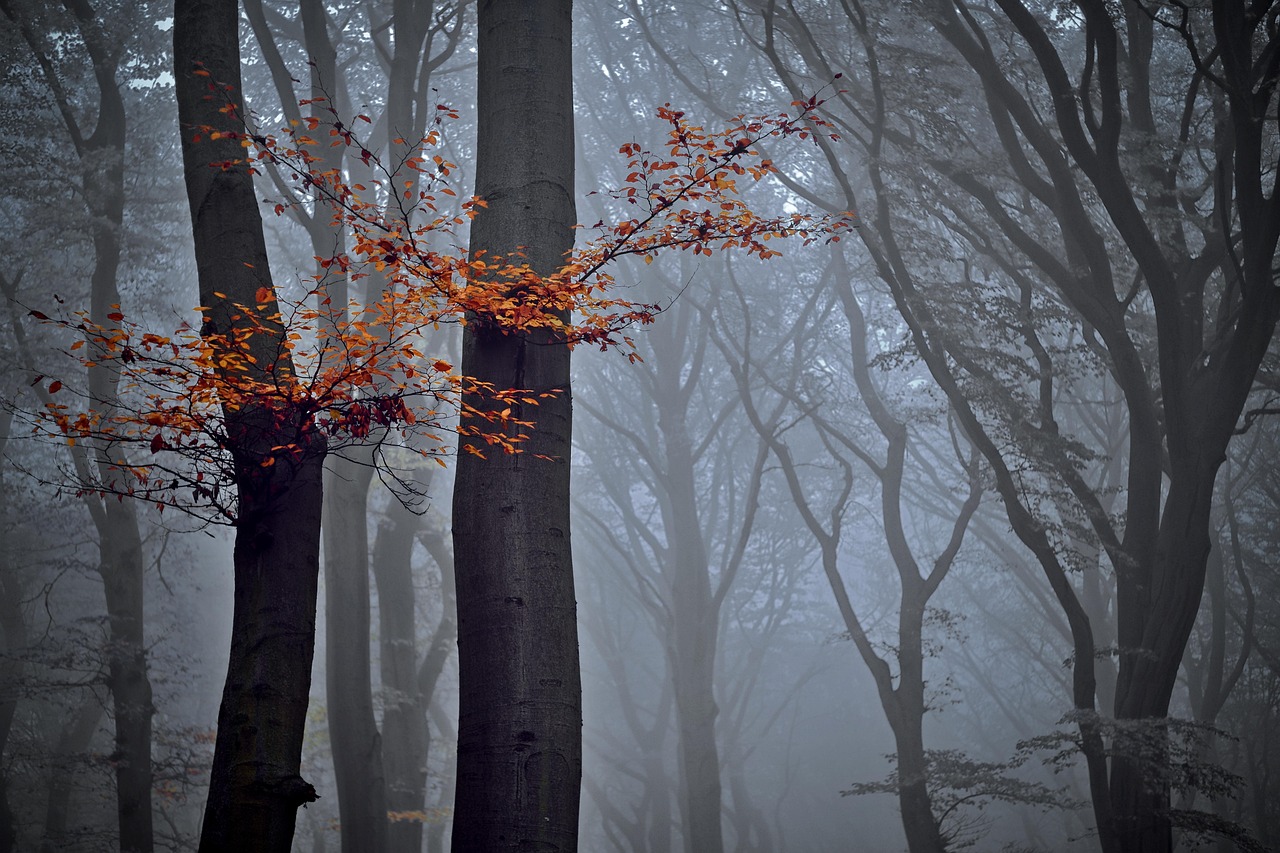
Golden forests, then deep snow. Snowshoe hikes, wildlife tracking, and the mountain huts to yourselves.
Sleep inside it
Two of our collections are built around exactly this — houses at the forest edge, hosts who know the rangers.
Frequently asked
- Is it safe to hike where bears live?
- Yes, with normal precautions: make noise on blind corners, keep food packed away, never feed or approach a bear, and take a guide for dawn or dusk hikes. Incidents almost always involve fed or cornered animals.
- Do I need a guide?
- Marked day trails, no. For bear hides, ridge traverses and winter routes we always arrange a licensed guide — it is safer and you will see ten times more.
- Can children come bear watching?
- From about age 8, yes — the hides need two to three quiet hours at dusk. The Libearty sanctuary works for any age.
Put a wild week together
Tell the concierge what you want to see and how far you like to walk — or start from the houses.