Romania was never one story.
The landscapes you come here to see — fortified churches, wooden gates, painted monasteries, fishing villages in the Delta — were built by many peoples living side by side for centuries. Around one in ten Romanian citizens belongs to an ethnic minority today. Travelling with that in mind makes every village more legible, and every dinner conversation better.
We write about living communities, not museum exhibits. Where we link a place, hosts and guides from the community itself are part of how we plan the visit.
Transylvanian Saxons
German-speaking settlers, invited by Hungary’s kings from the 12th century to guard and farm the southeastern frontier of Europe. Over eight centuries they built one of the continent’s most astonishing cultural landscapes: around 150 surviving fortified churches and the walled towns that gave Transylvania its German name — Siebenbürgen, “seven fortresses”. This is the heritage most guests come to the southern Carpathians for, and the story our region tells first.
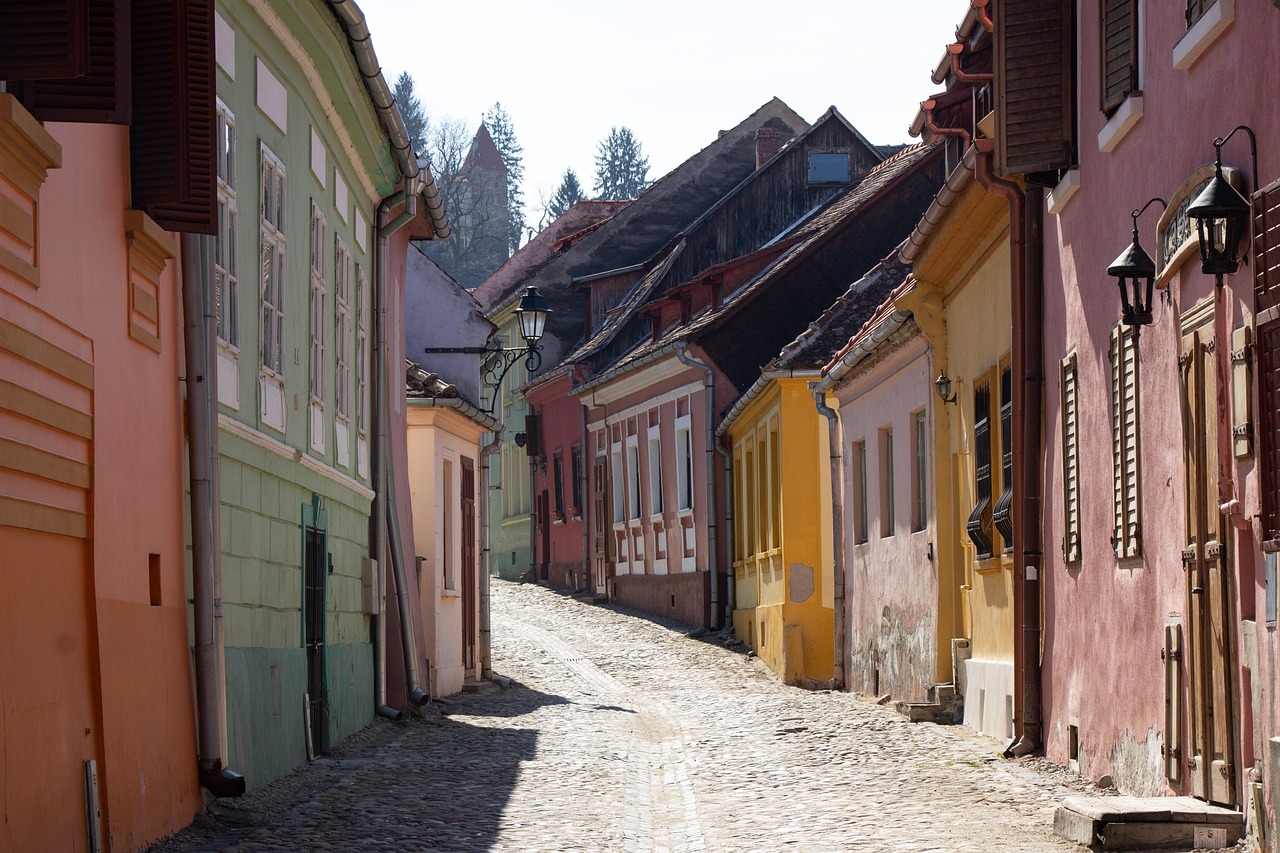
The towns are the grand entrances. Brașov (Kronstadt) grew rich on the pass trade with Wallachia and raised the Black Church — the largest Gothic church between Vienna and Istanbul — a few streets from our home valleys. Sibiu (Hermannstadt), the old Saxon capital and European Capital of Culture 2007, watches you through the “eyes” in its rooftops. Sighișoara (Schäßburg) is Europe’s finest still-inhabited medieval citadel and a UNESCO World Heritage Site, while Mediaș (Mediasch), with its leaning Trumpeter’s Tower, and Bistrița (Bistritz) tell the same story in quieter arcaded squares.
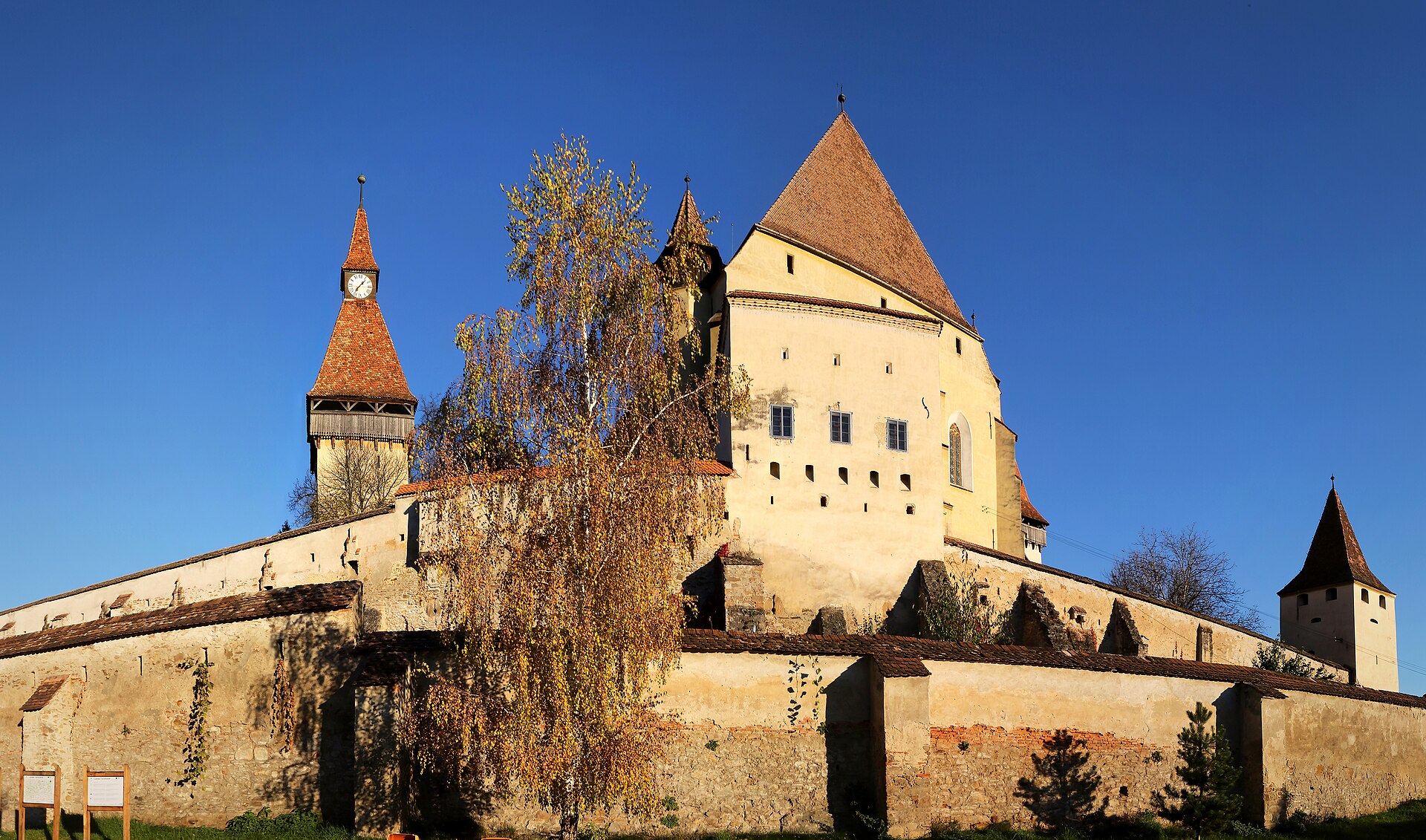
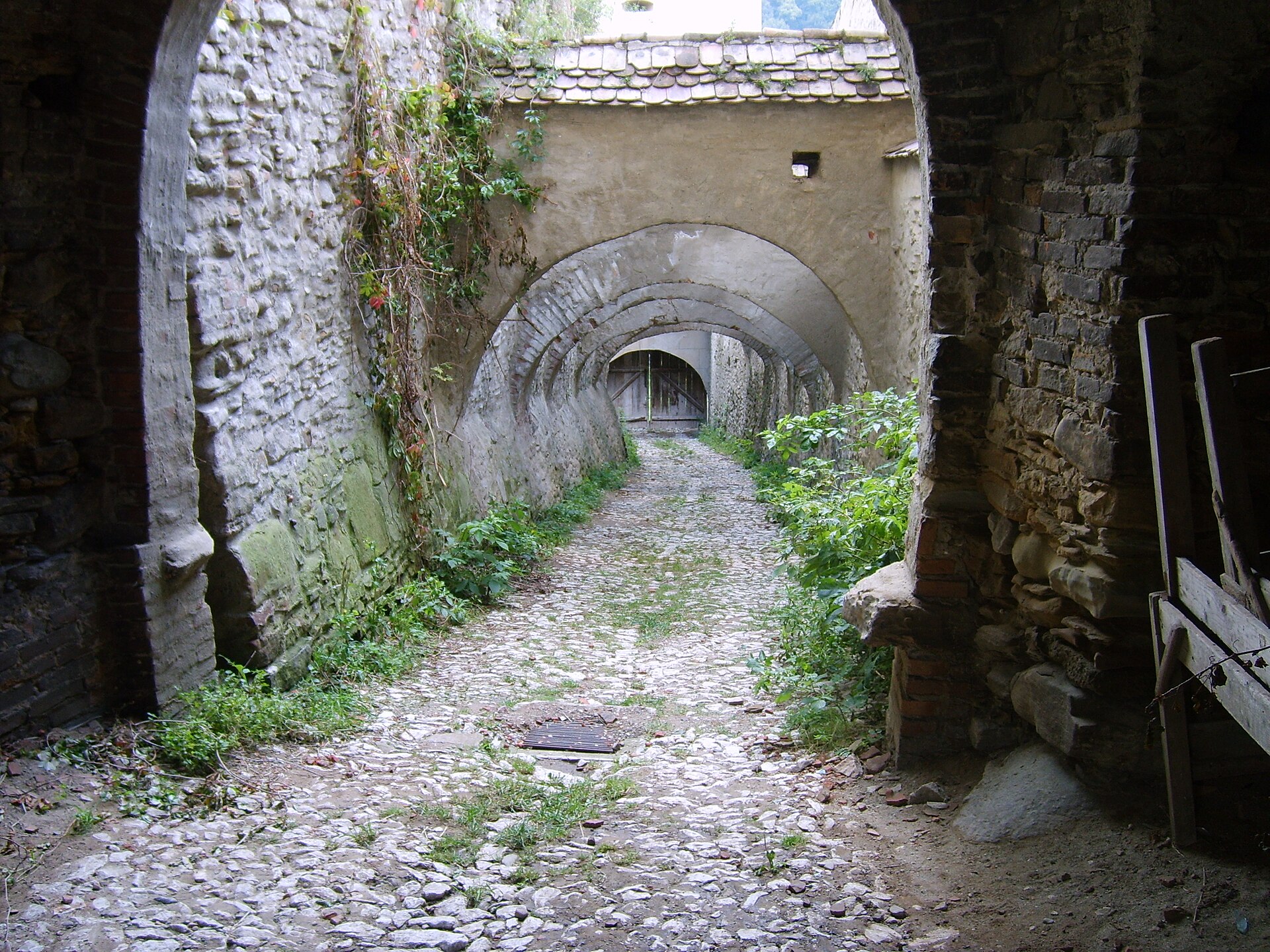
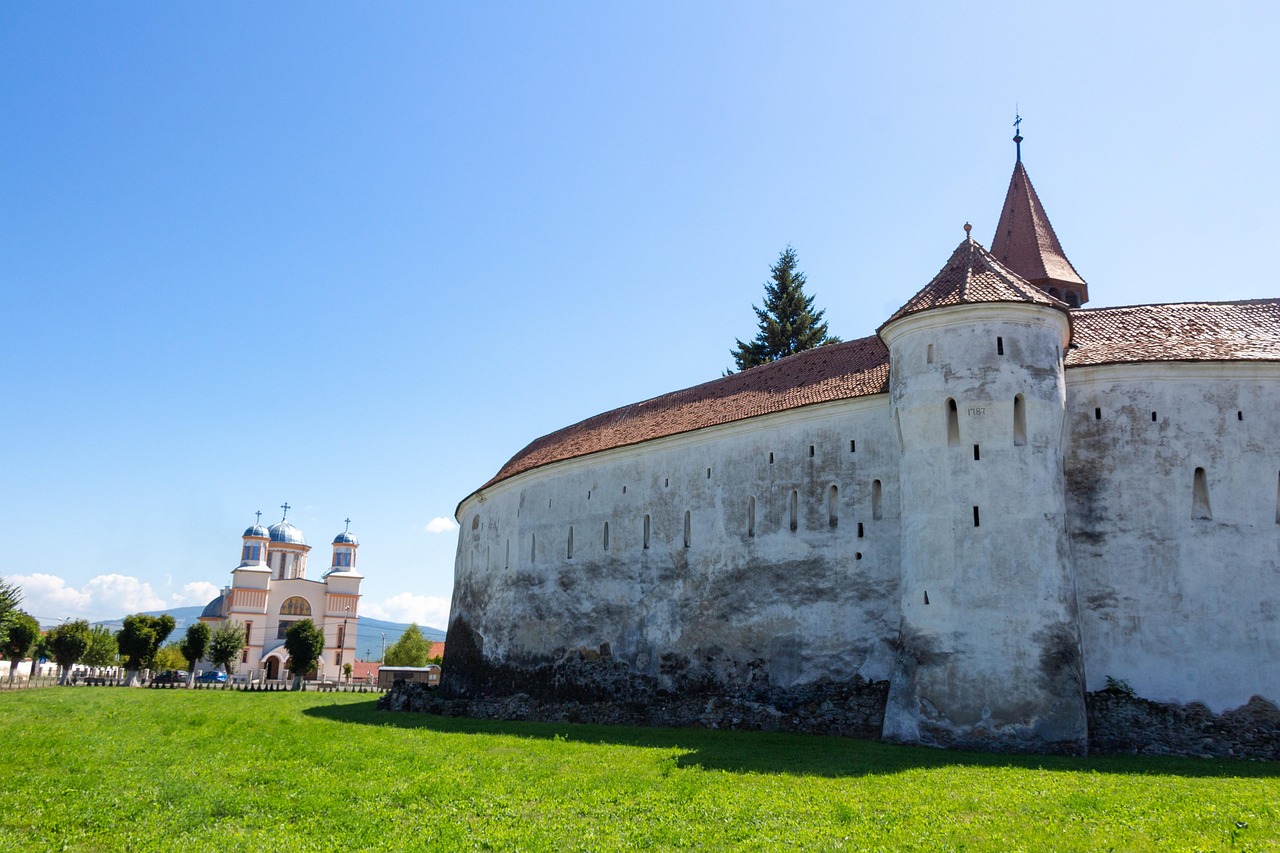
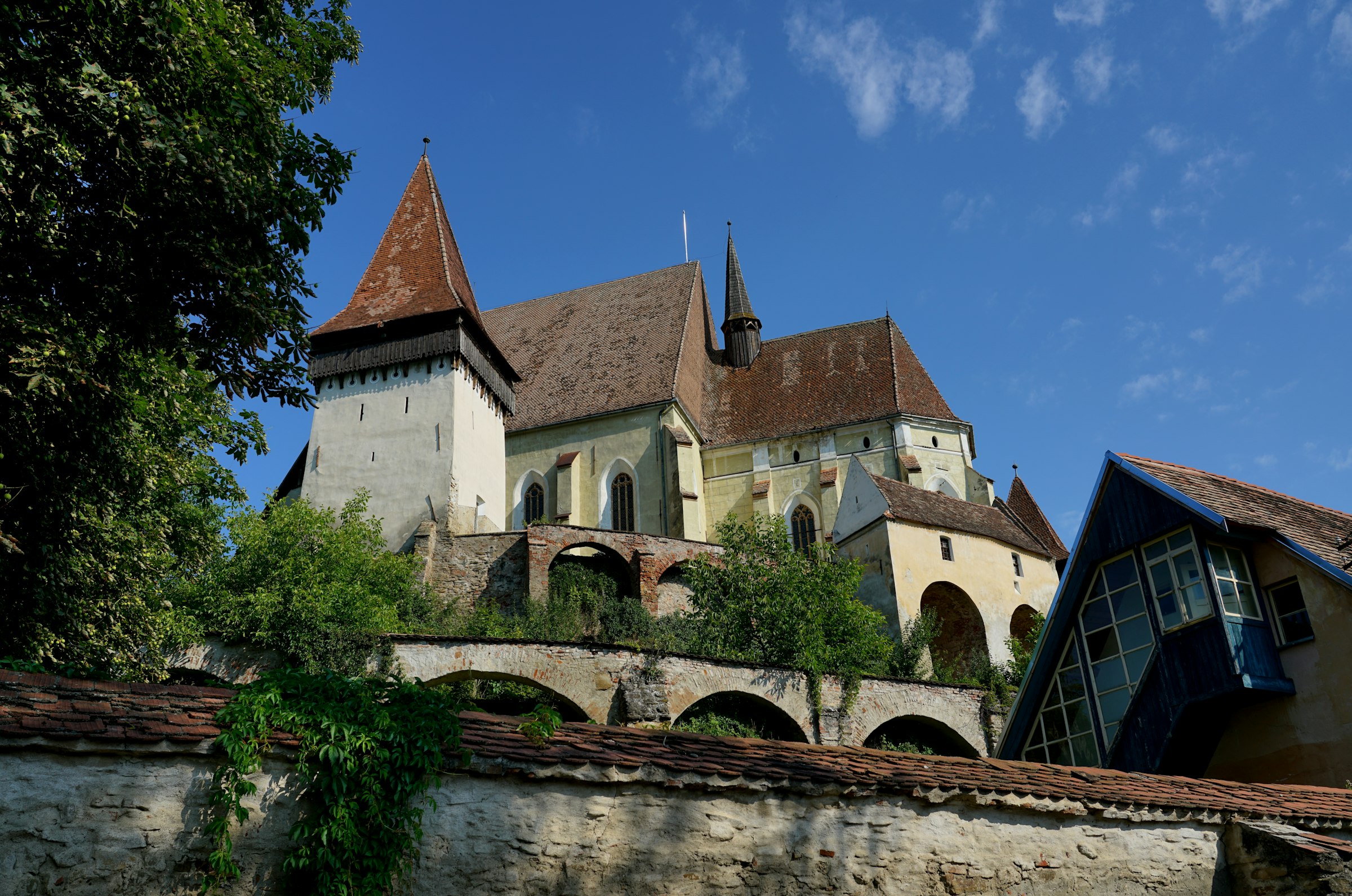
Then come the villages — nearly every one gathered around a fortified church where the whole community could sit out a siege, grain stored in the towers and each family’s bacon hanging in the “fat tower”. Seven of these village churches hold UNESCO World Heritage status, among them Viscri (Deutsch-Weißkirch), made famous by King Charles III’s guesthouses; Biertan (Birthälm), seat of the Saxon bishops for three centuries; and Prejmer (Tartlau) near Brașov, the mightiest of them all, with some 270 refuge rooms stacked inside its ring wall.
The community itself nearly vanished in the 20th century — wartime deportations, then Ceaușescu literally selling exit visas to West Germany, then the great exodus after 1989. Fewer than 15,000 Saxons remain, yet the villages are anything but dead: foundations such as the Mihai Eminescu Trust and the Fortified Churches Foundation restore them house by house, emigrants return every summer for village reunions, and a new generation — Saxon and Romanian alike — is reopening the old farmyards as guesthouses. Many of our hosts tell this story first-hand, at their own kitchen tables.
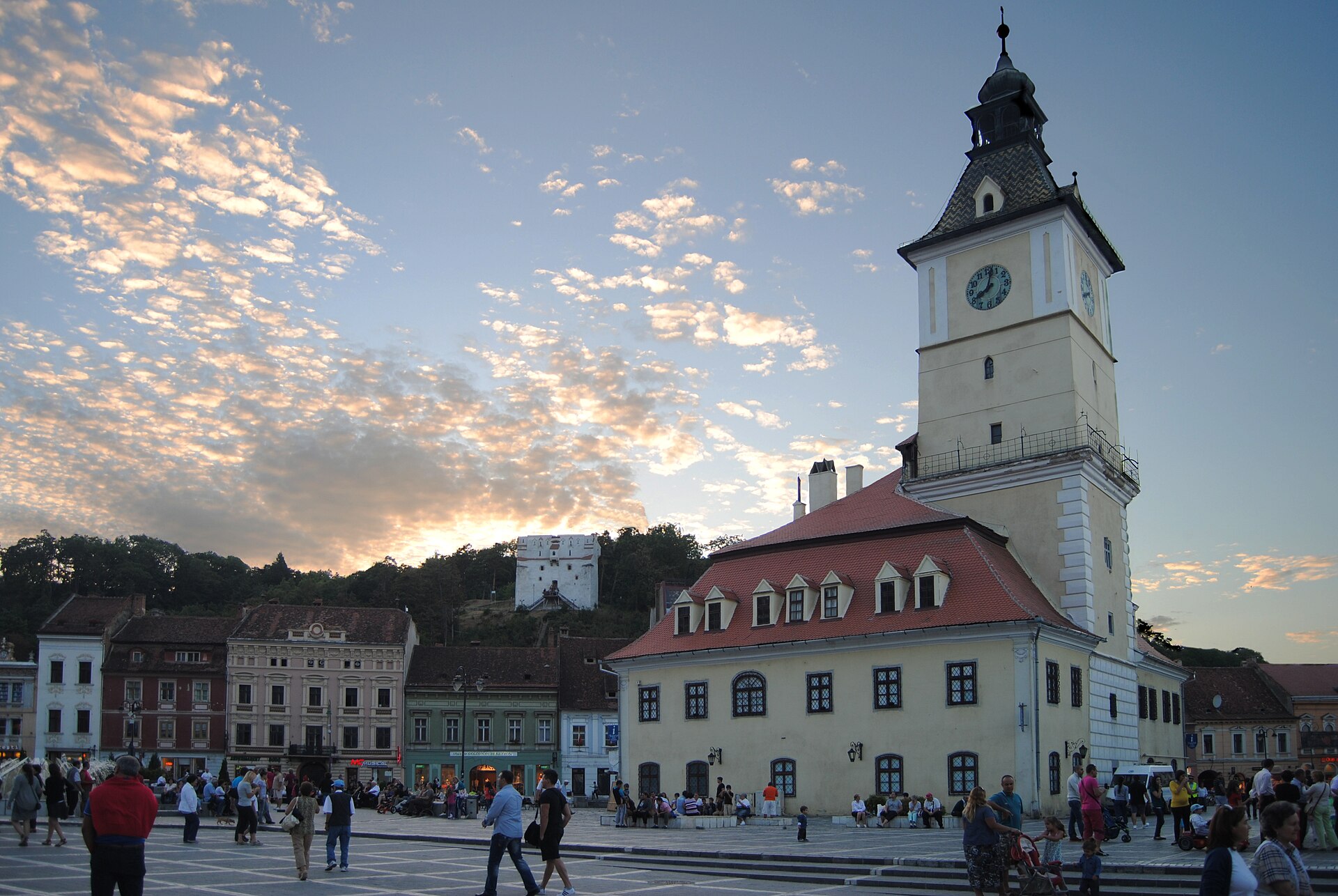 Brașov Old Town
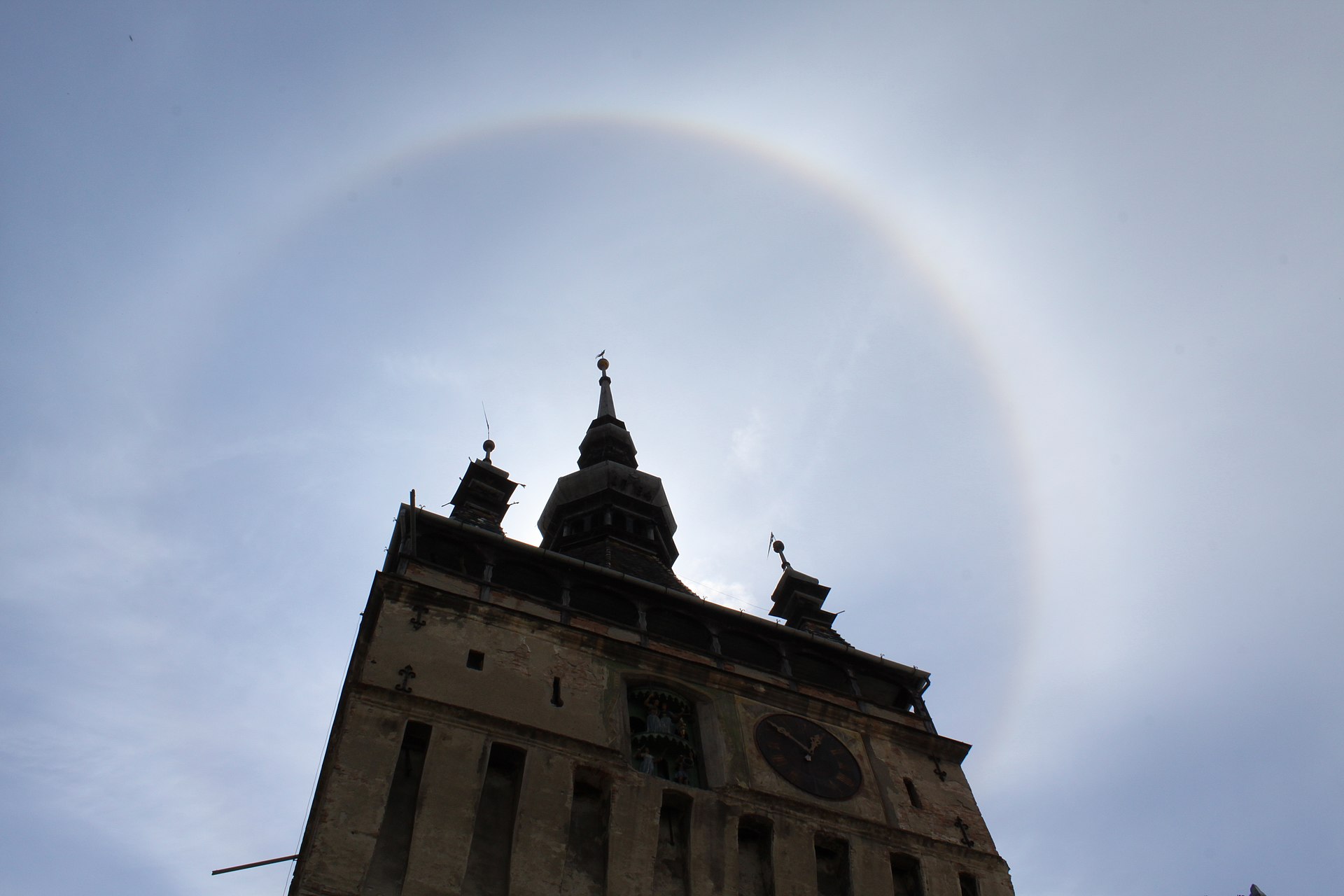 Sighișoara Citadel
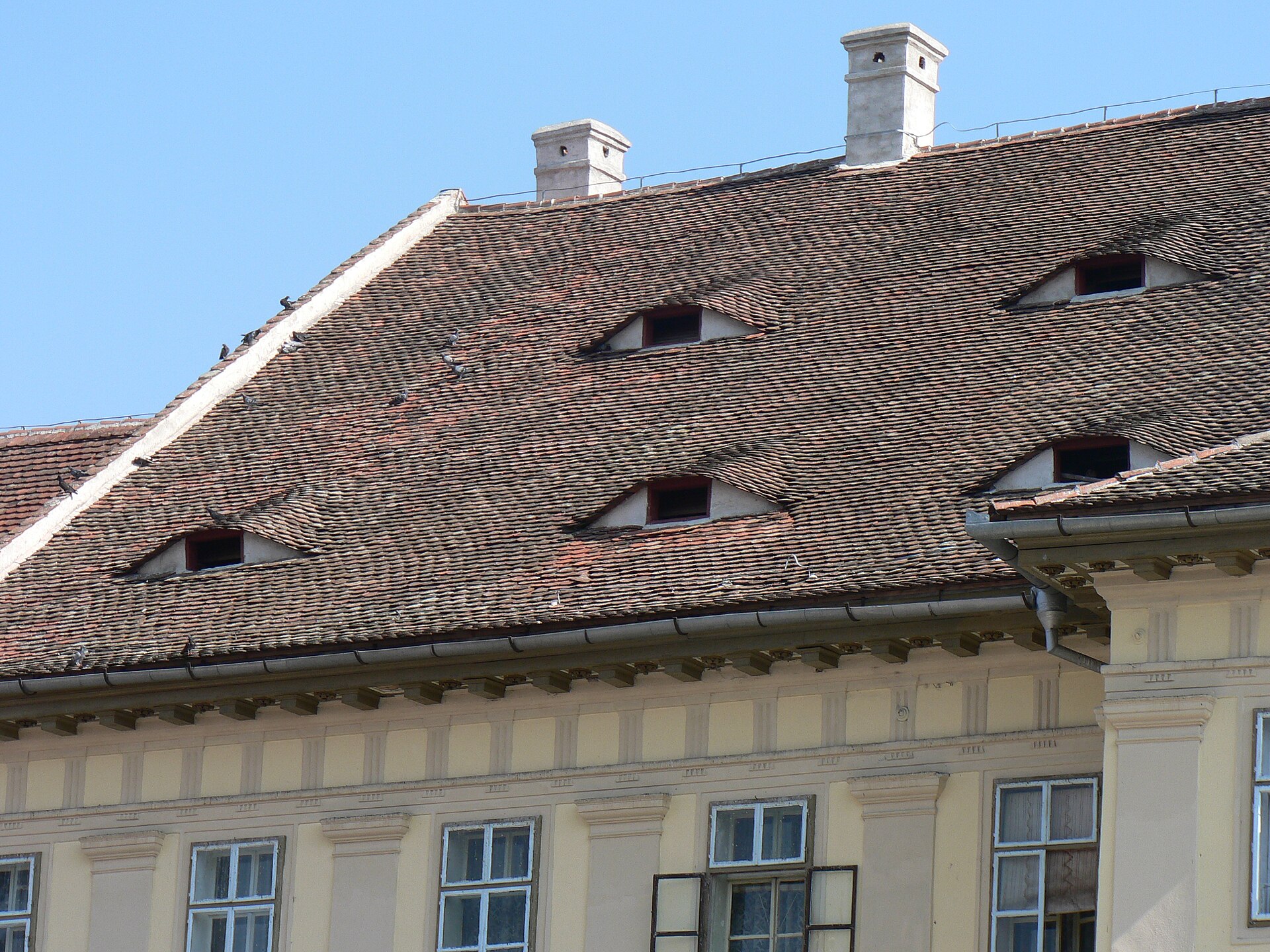 Sibiu Old Town
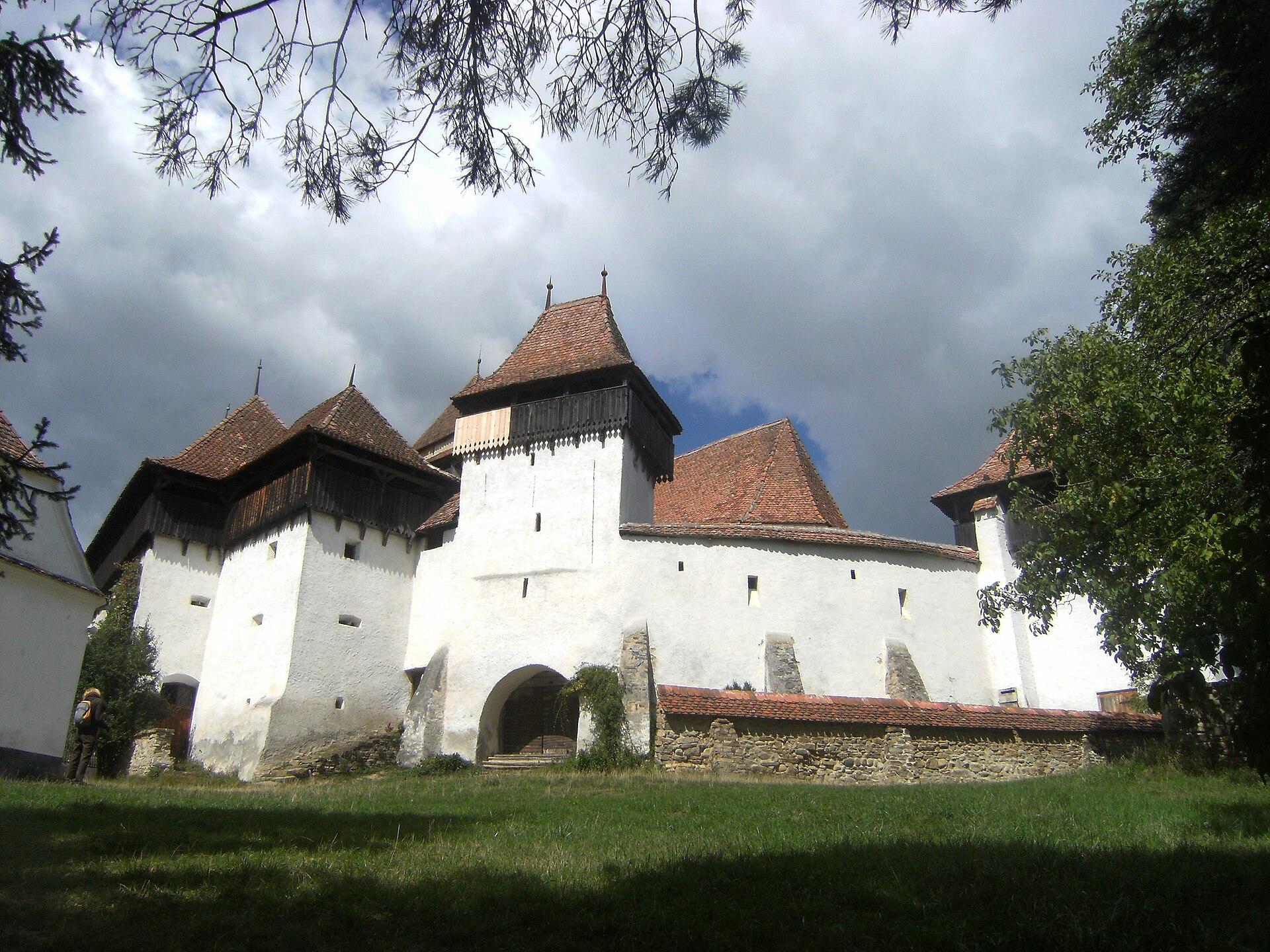 Viscri Fortified ChurchBiertan Fortified Church
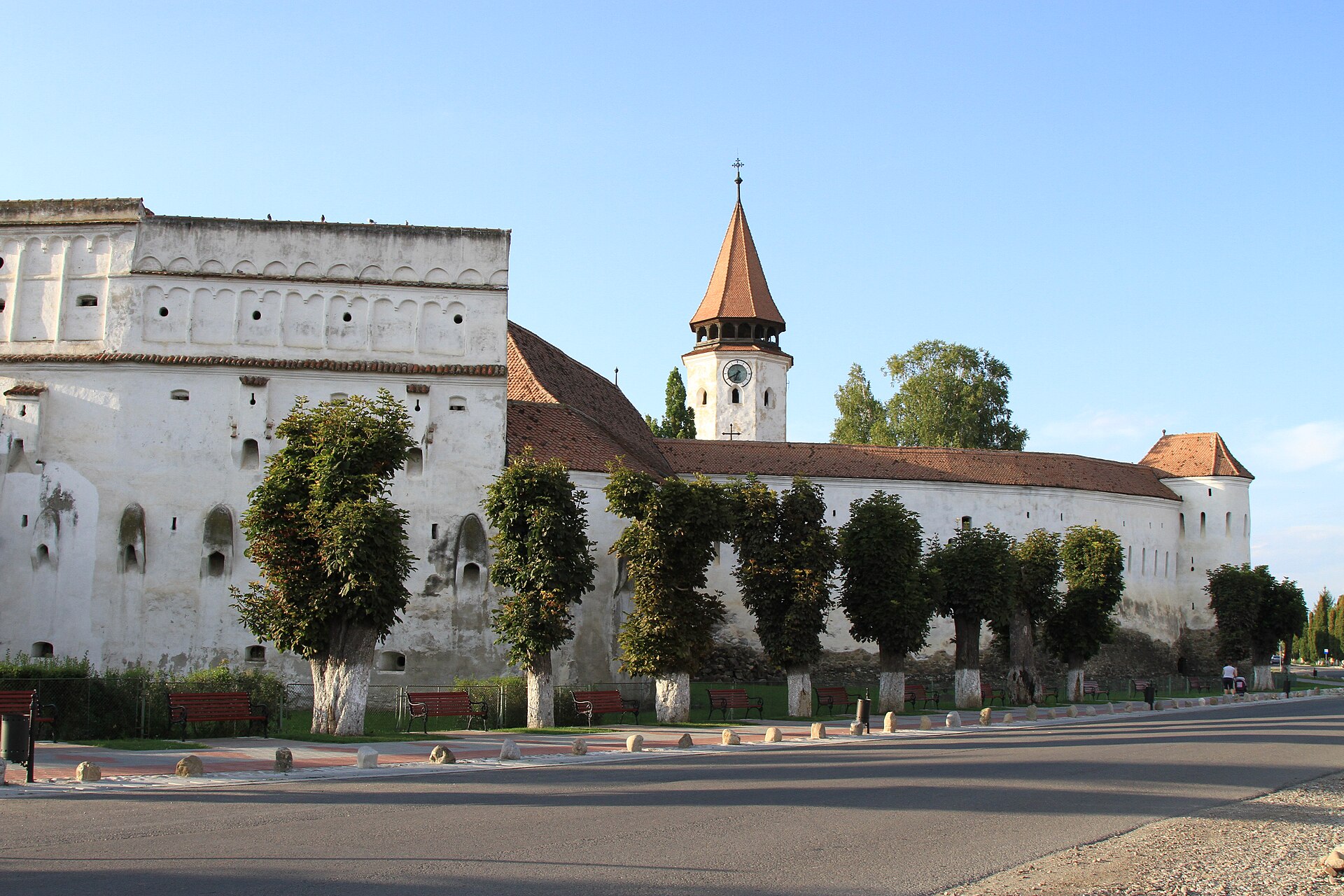 Prejmer Fortified Church
More Saxon places worth a detour
Saschiz (Keisd) — UNESCO church tower modelled on Sighișoara’s, with a peasant citadel on the hill above
Câlnic (Kelling) — a UNESCO-listed peasant fortress you often have entirely to yourself
Valea Viilor (Wurmloch) — UNESCO fortified church deep in the old wine country
Mălâncrav (Malmkrog) — the largest remaining Saxon community — Gothic frescoes and heritage apple orchards
Cisnădioara (Michelsberg) — a bare Romanesque hilltop basilica from around 1200, near Sibiu
Hărman (Honigberg) — fortified church outside Brașov with a rare frescoed tower chapel
Alma Vii (Almen) — a carefully restored citadel with a small community museum
Rupea (Reps) — a layered hilltop fortress halfway along the Brașov–Sighișoara road
Hungarians & Szeklers
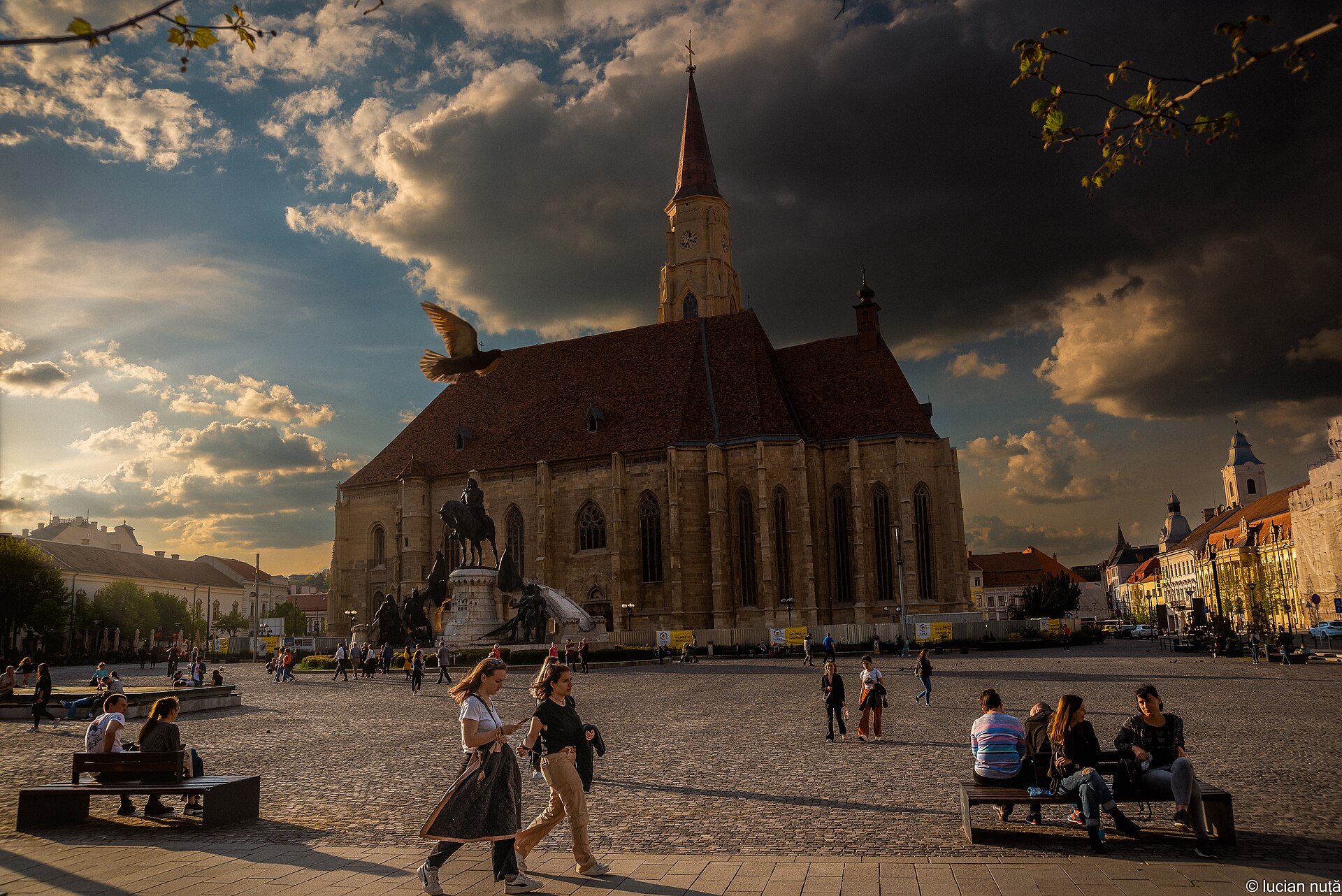
Romania’s largest minority — over a million people, concentrated in Transylvania. In the Szekler Land (Harghita, Covasna) Hungarian is the language of the street, the mineral baths steam beside volcanic lakes, and the gate-carving tradition is alive. Lake Sfânta Ana sits at its heart.
Roma
Romania’s second-largest minority, here for over six centuries, with living craft traditions — coppersmiths, brick-makers, musicians whose lăutari music shaped Romanian folklore itself. A community too often reduced to clichés; we work with Roma-led initiatives where guests want a genuine encounter rather than a spectacle.
Lipovans of the Delta
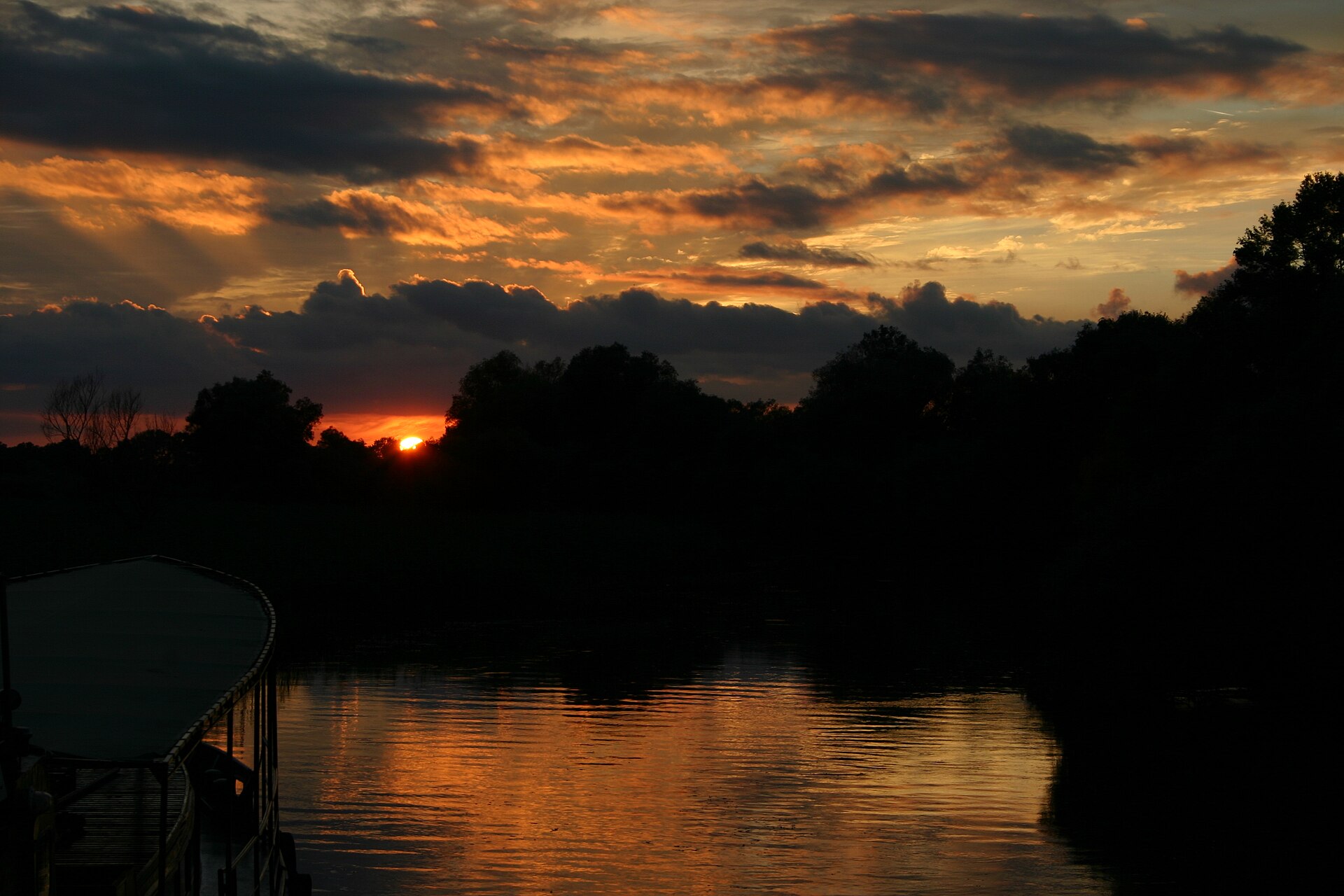
Russian Old Believers who fled religious reform in the 18th century and settled the Danube Delta. Their villages — reed-roofed, blue-shuttered — are still the Delta’s fishing backbone, and a Lipovan boatman is the best guide the labyrinth has.
Jewish heritage
Before the Second World War, Romania had one of Europe’s largest Jewish communities. Synagogues in Bucharest, Oradea and Sighet, and the Elie Wiesel memorial house in Maramureș, keep a story that belongs in any honest tour of the north.
Keep going
Travel it with respect
Tell the concierge what interests you — we connect you with hosts and guides from the communities themselves.