Places nobody talks about in Romania — quiet villages, roads and landscapes
Not every beautiful place needs a crowd. Some of Romania's best moments are still found in the margins.
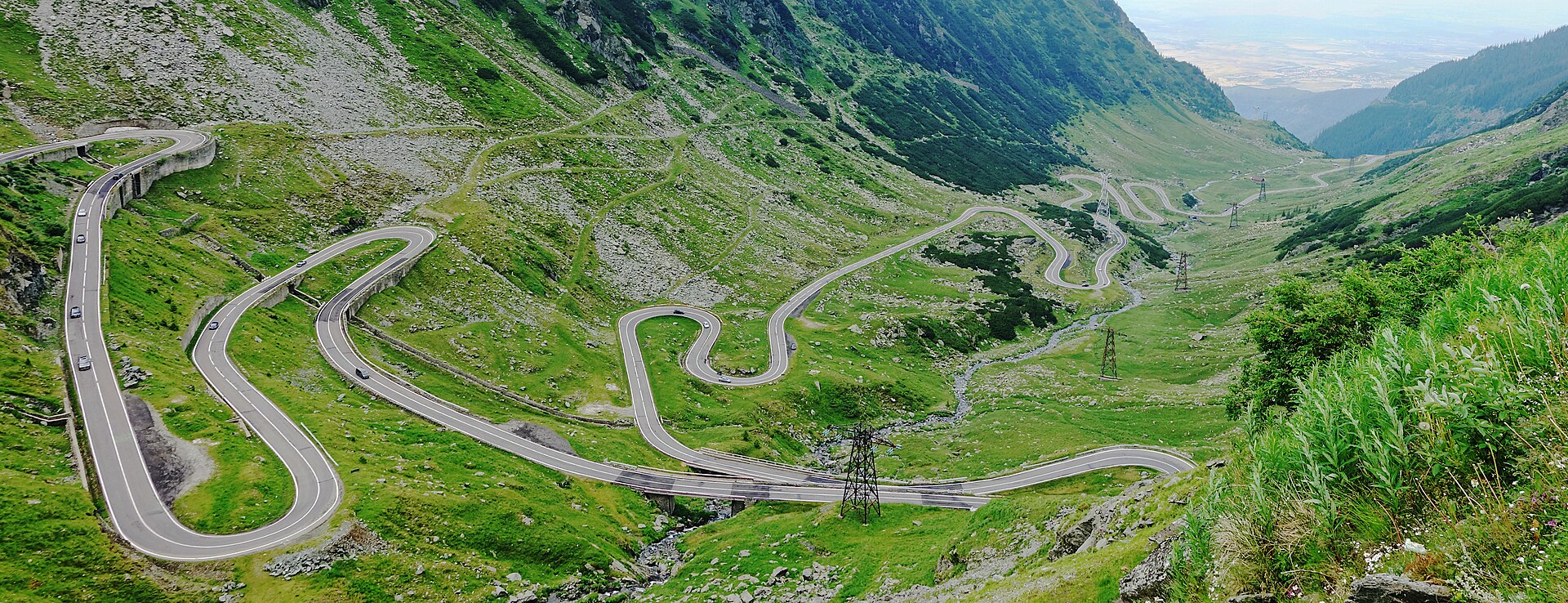
Most travel guides send everyone to the same places. Bran Castle. Brașov. Sibiu. Maybe the Transfăgărășan.
Those places are worth seeing — but they are not the whole story.
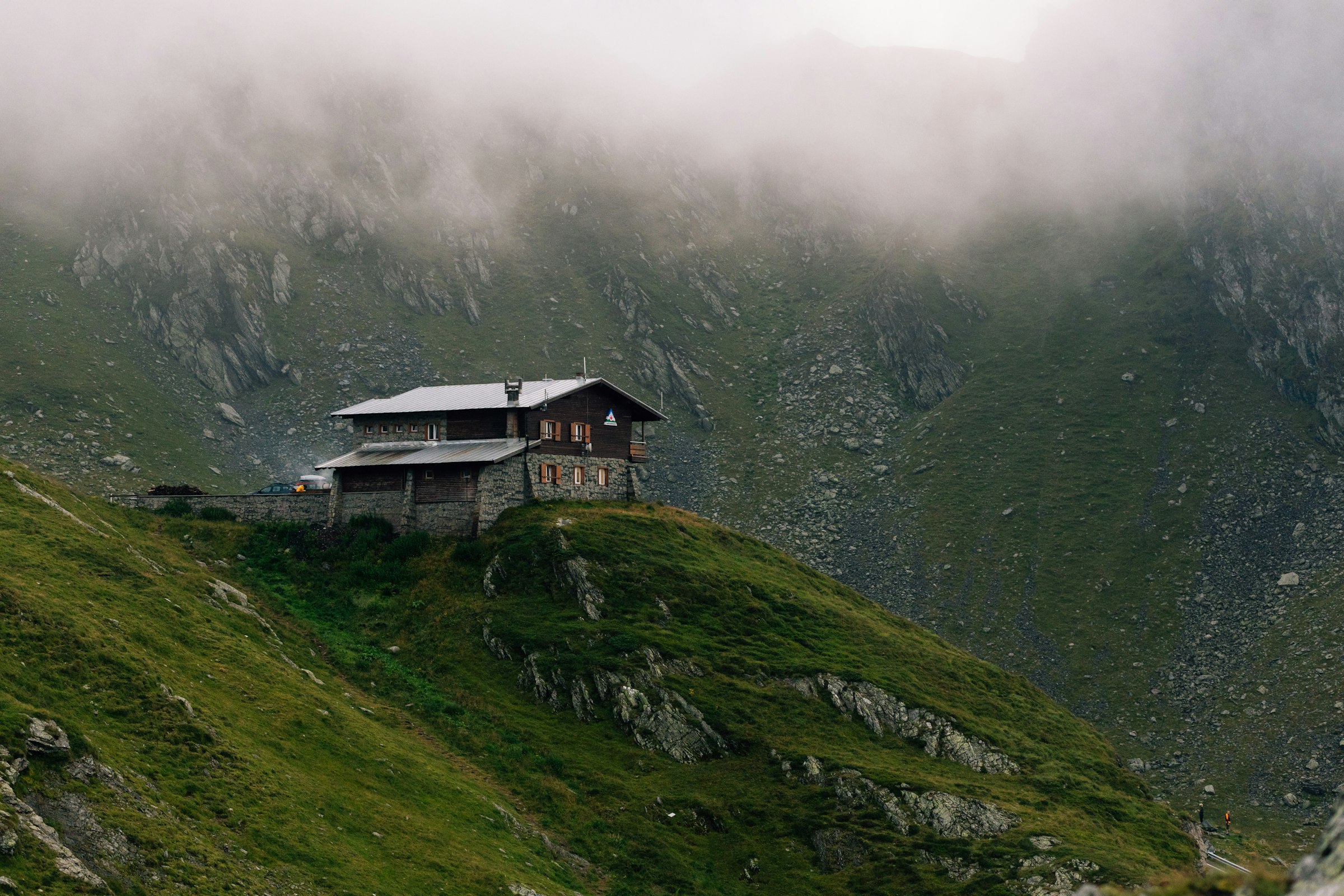
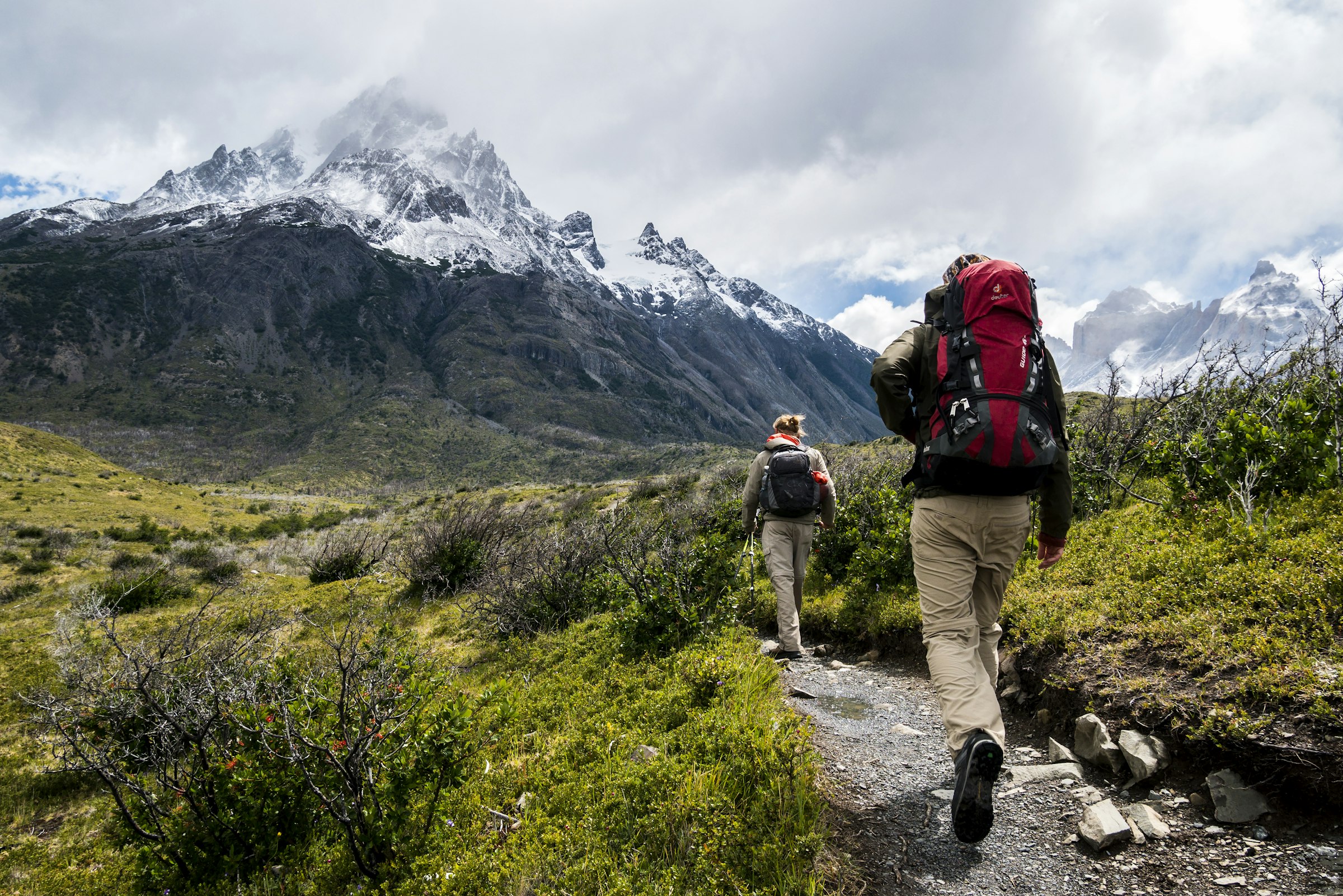
Romania becomes unforgettable in the places nobody talks about: a village road between two fortified churches, a shepherd's path above the Apuseni hills, a quiet courtyard in a restored Saxon house, a small town market before noon, a forest road where the phone signal disappears and the view opens suddenly.
These are not places designed for tourism. That is exactly why they matter.
The margins of the map
Forgotten villages. Roadeș, Floresti, Apoldu de Sus, Crit, Cloașterf. Names you have not read in a guidebook. Each with one main street, a fortified church or a chapel, an unhurried rhythm.
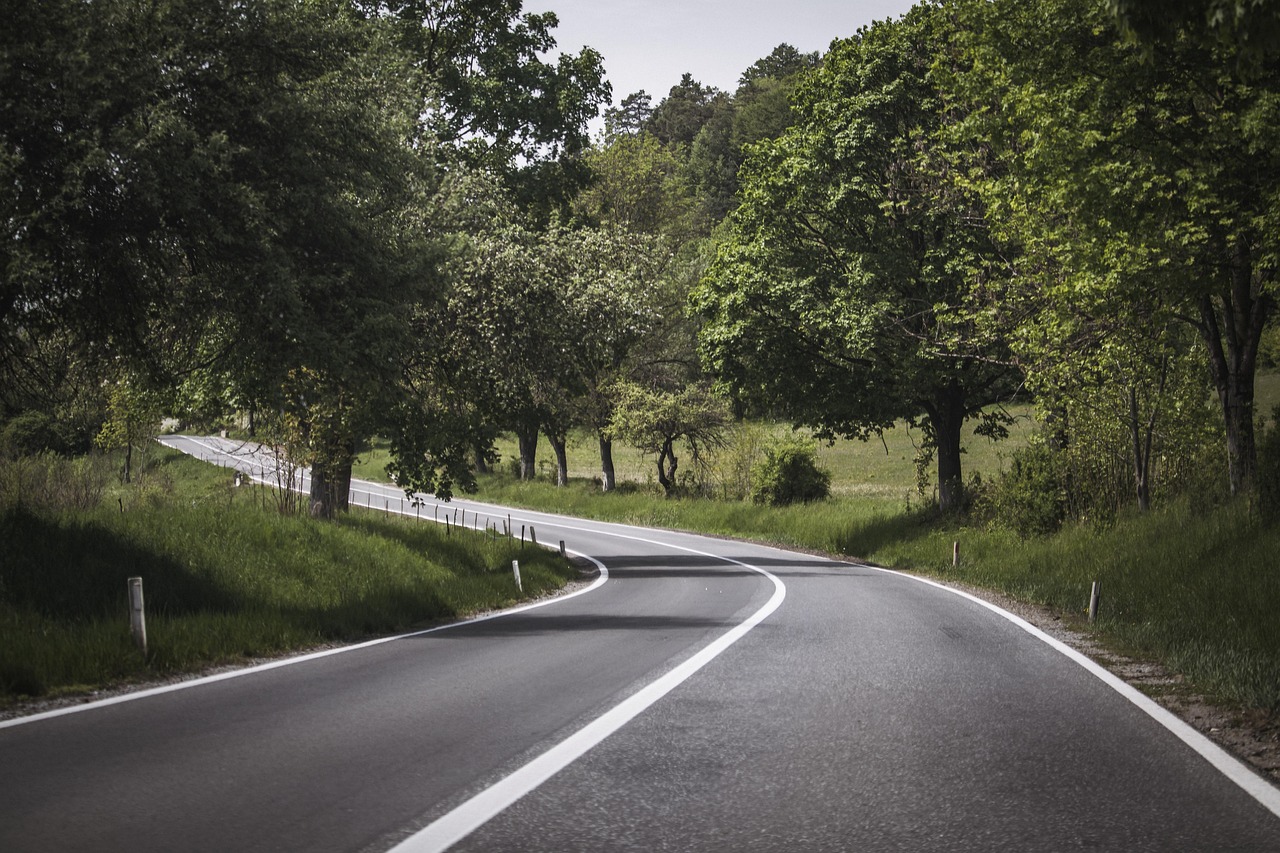
Empty roads. The DJ142E from Sighișoara south through the orchards. The forest tracks above Mălâncrav. The road over Pasul Bratocea between Brașov and the Buzău valley. These are not destinations; they are the journey itself.
Small-town squares. Făgăraș on a Wednesday morning. Mediaș before noon. The market in Daneș. The light, the produce, the way people lean against fences and talk — these are not stages, they are kitchens of public life.
Forest valleys. The Olt valley between Tălmaciu and Brezoi. The Mureș between Deva and Arad. The Lăpuș gorge in Maramureș.
Old crafts. A blacksmith in Hosman who still hammers door hardware to order. A weaver in Saliște. An icon painter in Sibiel. A barrel maker in Recaș.
Unknown viewpoints. The ridge above Apold. The bend on the road above Cisnădie. The cemetery hill at Movile.
Why these places work
They ask you to slow down. To look more carefully. To stay respectfully.
The beauty of these places depends on them not becoming the next crowded checklist. So: buy local, ask before photographing people, take your trash with you, and understand that the people who live here did not invite a guidebook in.
When we send a guest to one of these places, we tell them where, but we do not always tell them why. The discovery is the point.