★ Curated
Padiș plateau · Apuseni
Cabana Tisa
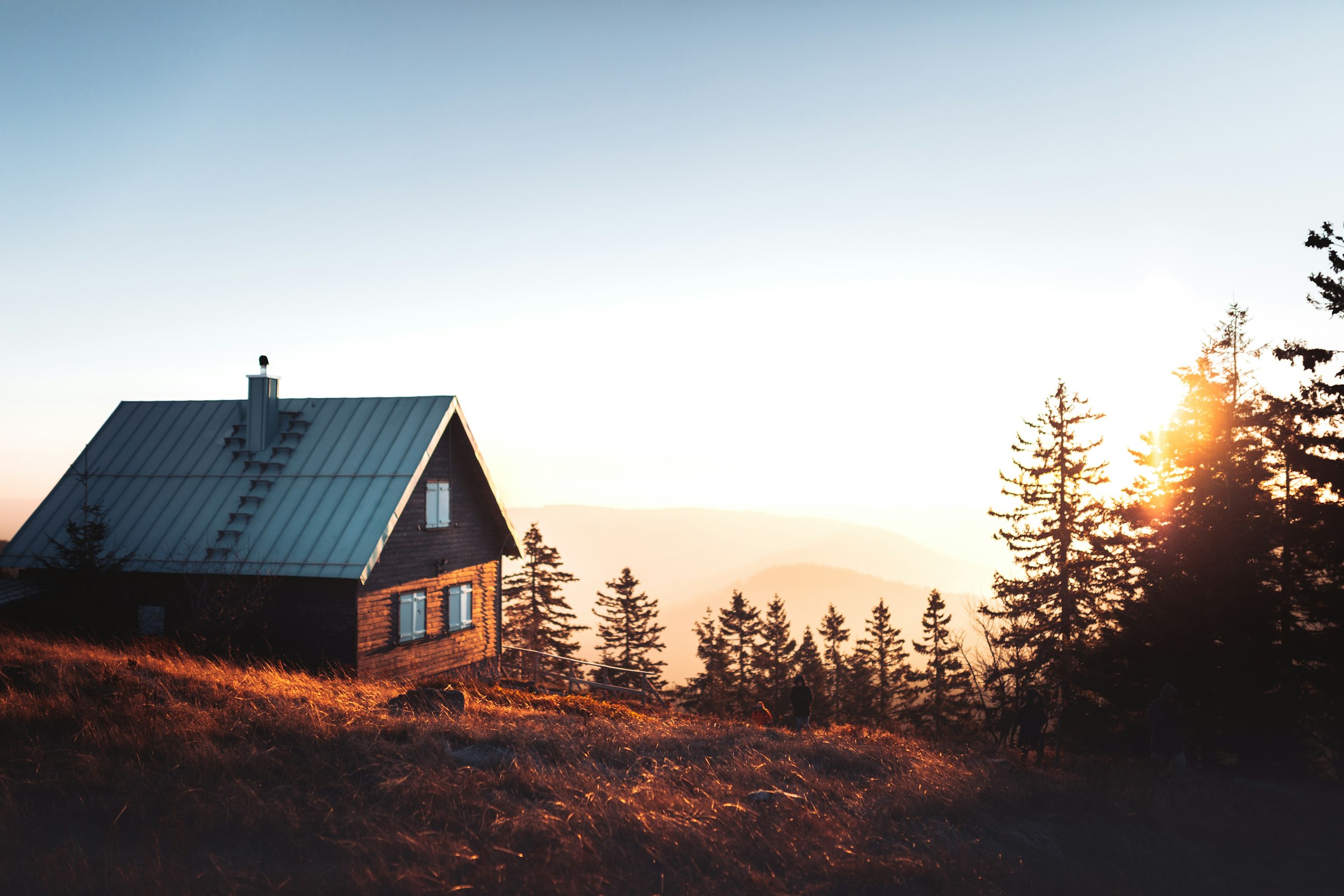
A two-bedroom log cabin on the Padiș plateau, with the cleanest air and longest views in the Apuseni.
Sleeps 5 · 2 bedroomsFrom €150 / night
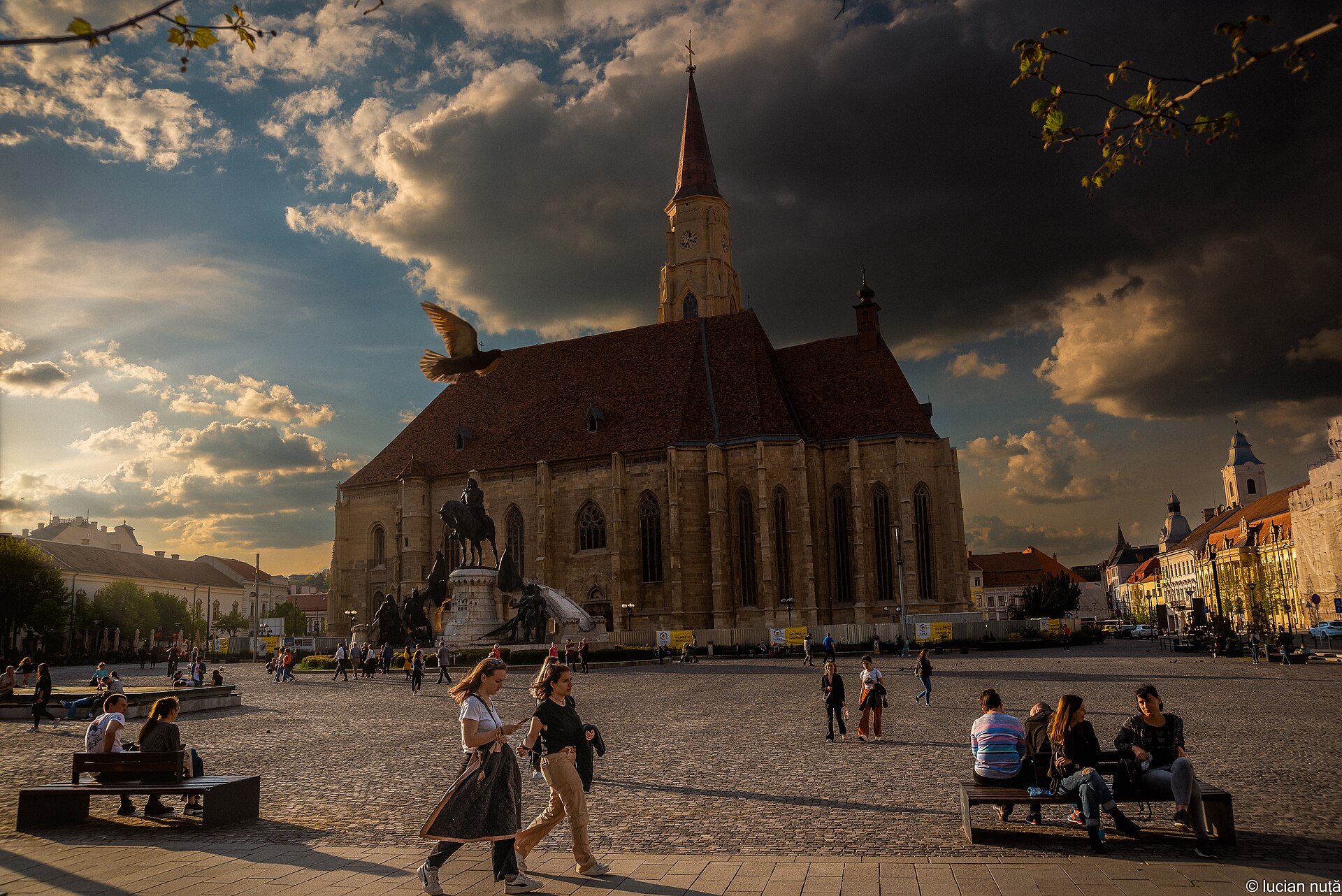
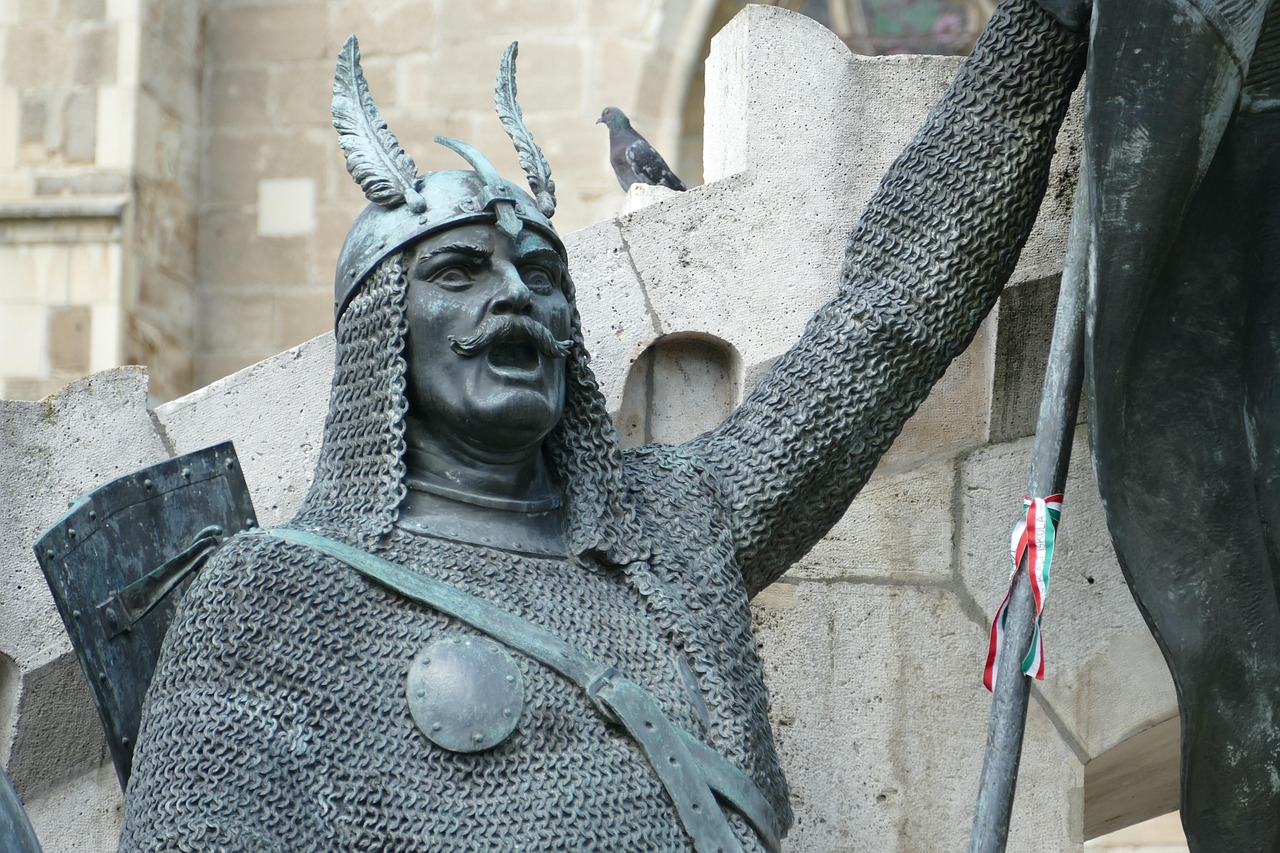
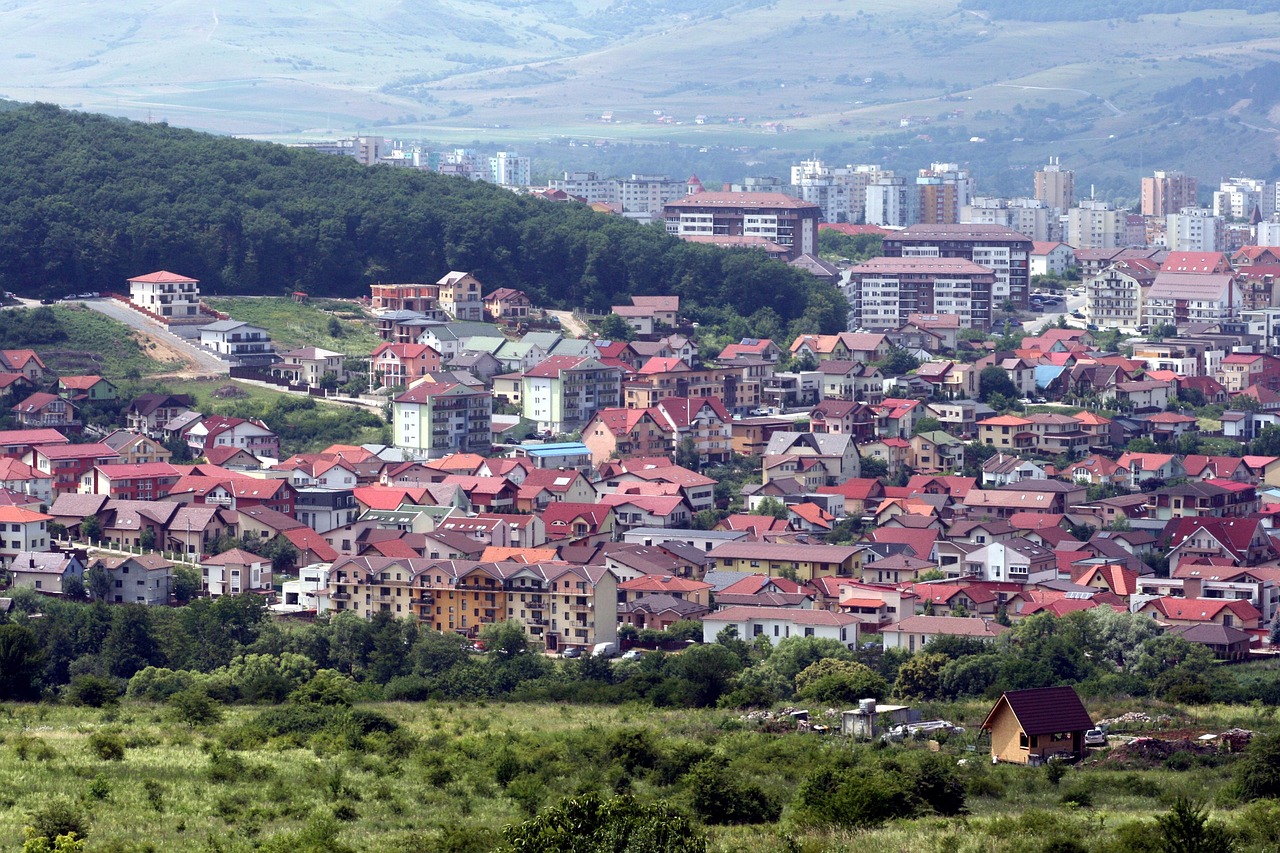
Cluj-Napoca is Romania's second city by population but its first by energy. Founded as the Roman Napoca, it became the multilingual Hungarian Kolozsvár, then the Habsburg Klausenburg, then Cluj. The Hungarian language is still everywhere — about a fifth of the city is ethnically Hungarian. Universities anchor the centre; the IT and design scenes anchor everything else. Untold (electronic music) and Jazz in the Park draw crowds in summer. The Apuseni mountains start an hour to the west.
The best food in Romania, period — Roata, Baracca, Klausen Burger, Sole, plus a dozen specialty-coffee bars (Meron, Origo). For the Apuseni and the Maramureș, it is the only sensible base. The international airport (CLJ) connects to thirty European cities.
May for blooming chestnut trees on Boulevard Eroilor, September for the harvest in the surrounding Apuseni villages. Avoid Untold weekend (first weekend of August) unless you bought tickets.
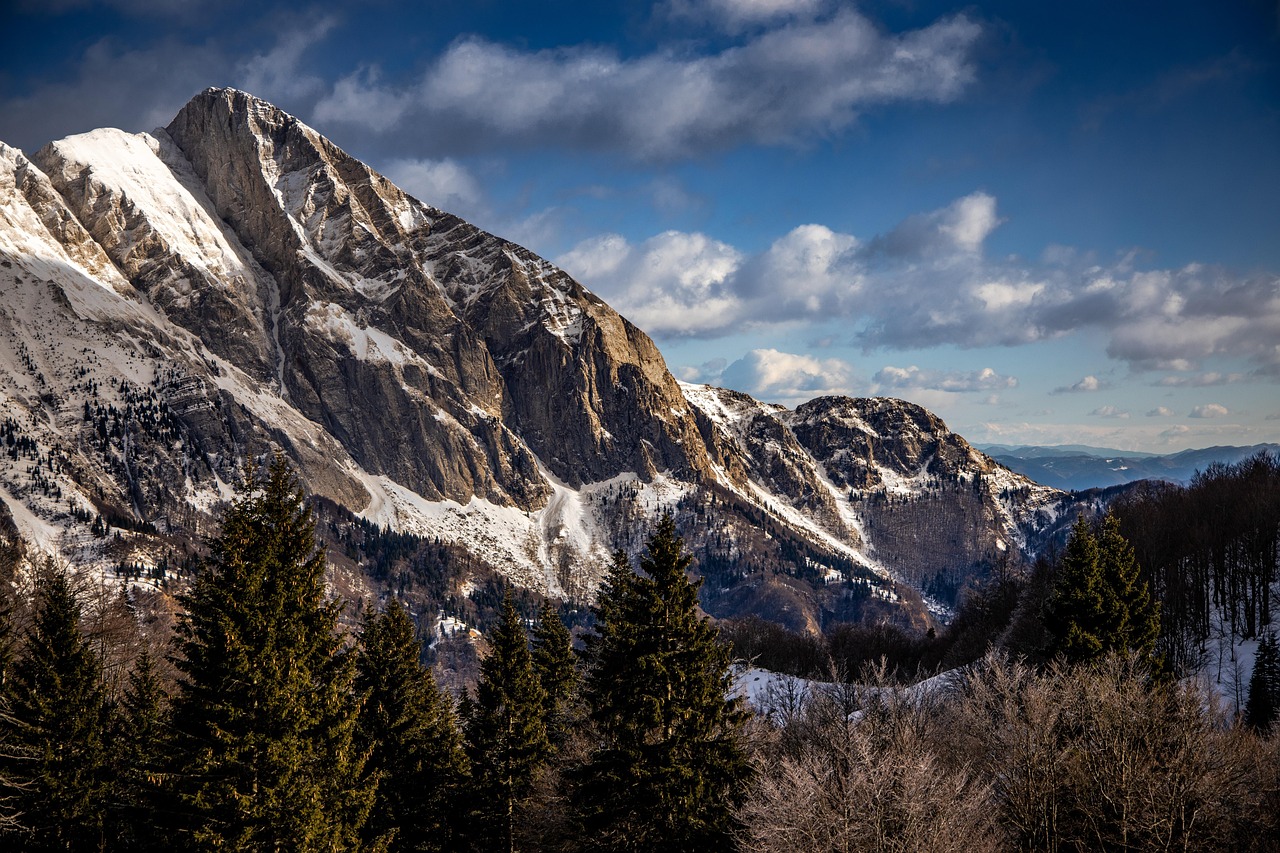
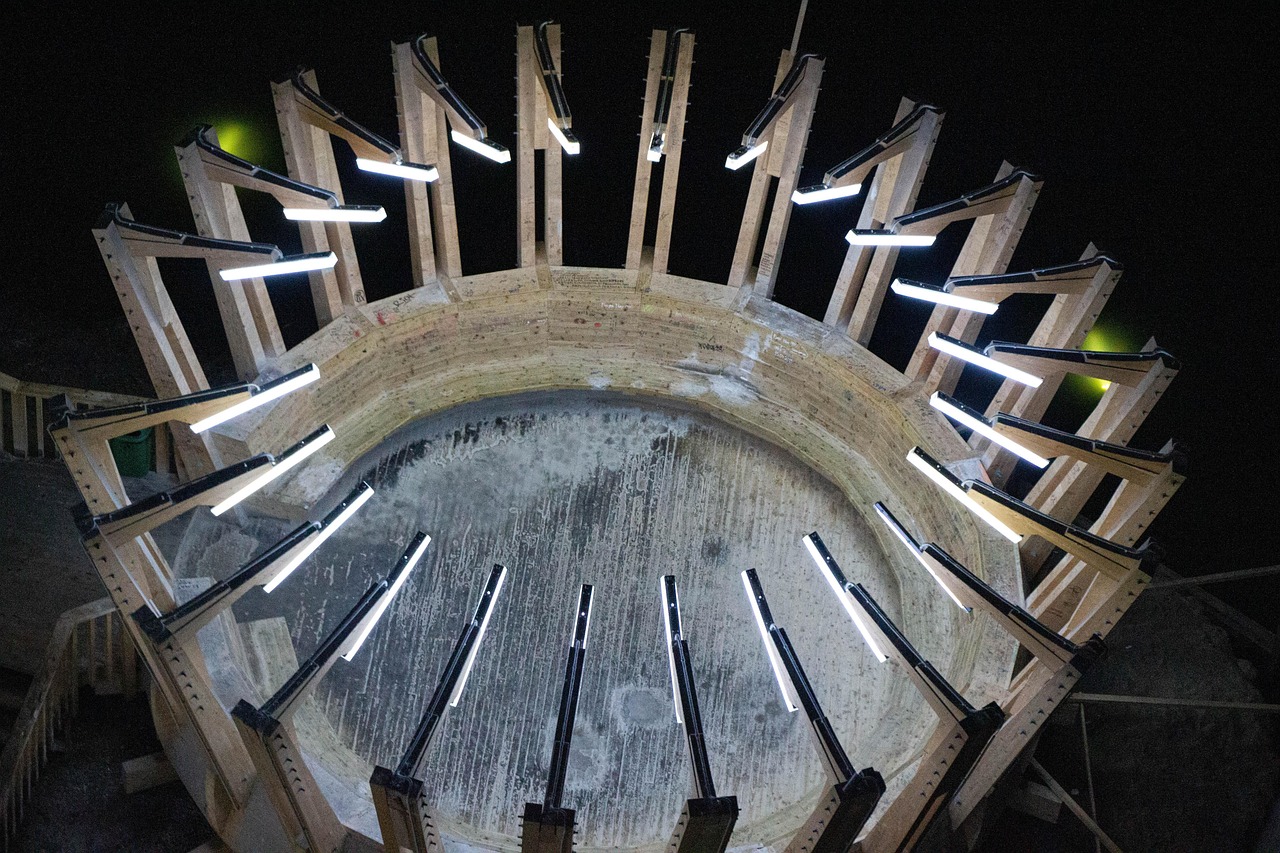
A two-bedroom log cabin on the Padiș plateau, with the cleanest air and longest views in the Apuseni.
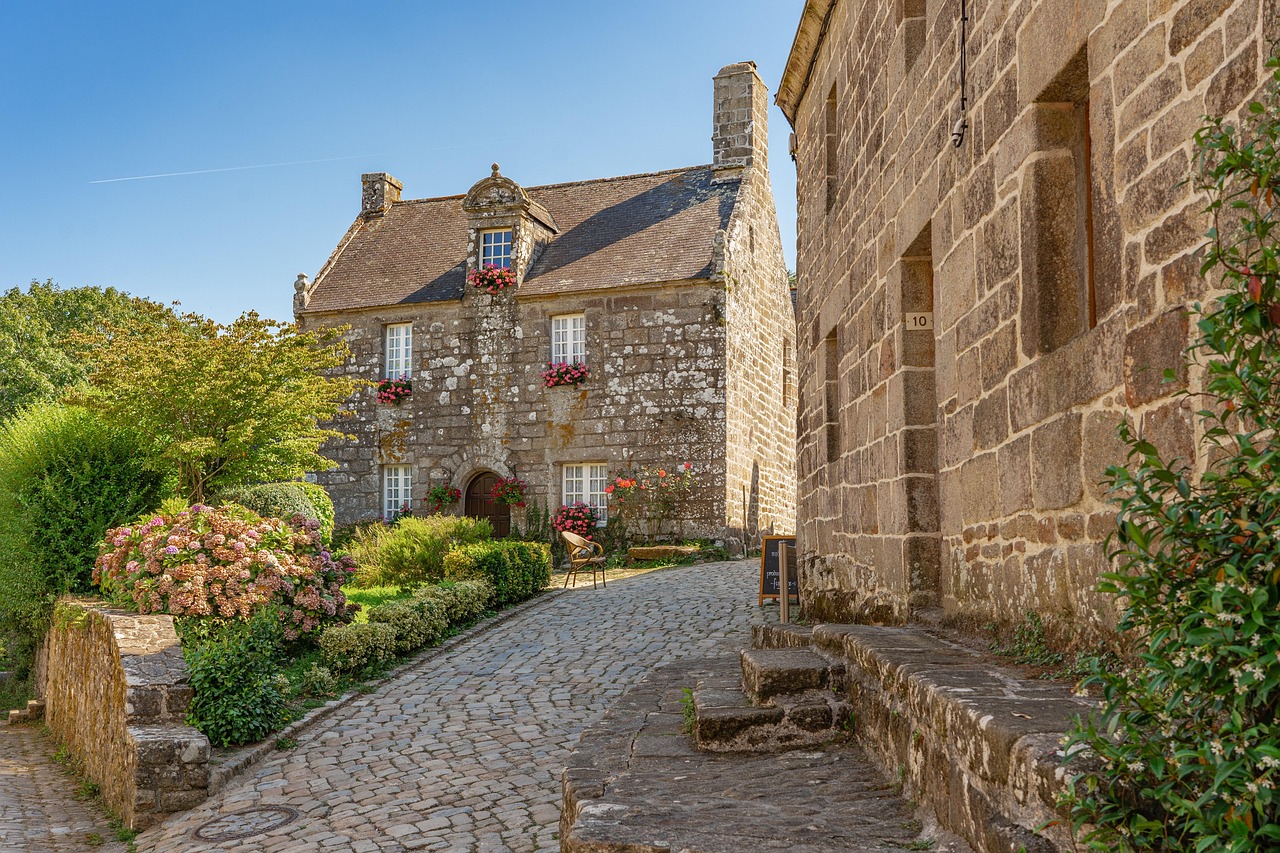
A small Transylvanian manor in the wine hills north of Cluj — restored room by room over eight years.